
Боржин чулуу нь маш бат бөх, нягтрал, бат бөх чанар, зэврэлтэнд тэсвэртэй байдгаараа олборлодог магмын чулуулгийн нэг төрөл юм. Гэхдээ боржин чулуу нь маш олон талын хэрэглээтэй бөгөөд зөвхөн дөрвөлжин болон тэгш өнцөгт хэлбэрт зориулагдаагүй! Үнэндээ бид бүх төрлийн хэлбэр, өнцөг, муруйгаар зохион бүтээгдсэн боржин чулуун эд ангиудтай тогтмол хамтран ажилладаг бөгөөд маш сайн үр дүнд хүрдэг.
Манай хамгийн сүүлийн үеийн боловсруулалтын тусламжтайгаар зүссэн гадаргуу нь онцгой тэгш байж чаддаг. Эдгээр чанарууд нь боржин чулууг захиалгат хэмжээтэй, захиалгат загвартай машины суурь болон хэмжилзүйн эд ангиудыг бий болгоход хамгийн тохиромжтой материал болгодог. Боржин чулуу нь:
■ машин механизм
■ зүсэж дуусахад яг хавтгай
■ зэврэлтэнд тэсвэртэй
■ бат бөх
■ удаан эдэлгээтэй
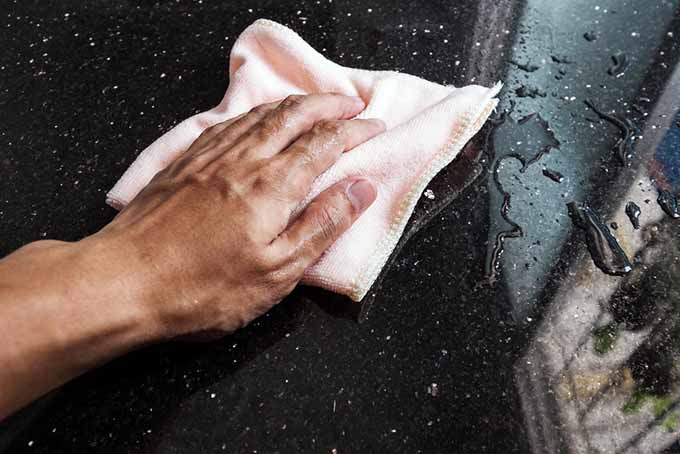
Боржин чулуун эд ангиудыг цэвэрлэхэд хялбар байдаг. Захиалгат загвар гаргахдаа давуу талуудыг нь харгалзан боржин чулууг сонгохоо мартуузай.
СТАНДАРТ / ӨНДӨР ЭЛЭГДЭЛТИЙН ХЭРЭГЛЭЭ
ZHHIMG-ийн стандарт гадаргуугийн хавтангийн бүтээгдэхүүнд ашигладаг боржин чулуу нь кварцын өндөр агууламжтай тул элэгдэл, эвдрэлд илүү тэсвэртэй болгодог. Манай Superior Black өнгө нь ус шингээх түвшин багатай тул хавтангууд дээр наалдах үед нарийвчлалтай хэмжигч зэврэх магадлалыг бууруулдаг. ZHHIMG-ийн санал болгож буй боржин чулуун өнгө нь гялбааг багасгадаг бөгөөд энэ нь хавтанг ашиглаж буй хүмүүсийн нүдийг бага ачаалалтай болгодог. Бид энэ талыг хамгийн бага байлгахын тулд дулааны тэлэлтийг харгалзан боржин чулууны төрлөө сонгосон.
ЗАХИАЛГЫН АПЛЕКТУУД
Хэрэв таны хэрэглээнд захиалгат хэлбэртэй, эрчилсэн оруулгатай, үүртэй эсвэл бусад боловсруулалттай хавтан шаардлагатай бол та Black Jinan Black гэх мэт материалыг сонгох хэрэгтэй. Энэхүү байгалийн гаралтай материал нь дээд зэргийн хатуулаг, маш сайн чичиргээг намсгах, сайжруулсан боловсруулалтын чадварыг санал болгодог.
Зөвхөн өнгө нь чулууны физик чанарыг илтгэдэггүй гэдгийг тэмдэглэх нь чухал юм. Ерөнхийдөө боржин чулууны өнгө нь эрдэс бодис байгаа эсэхээс шууд хамаардаг бөгөөд энэ нь гадаргуугийн хавтангийн сайн материалыг бүрдүүлдэг шинж чанарт ямар ч нөлөө үзүүлэхгүй байж болно. Гадаргуугийн хавтангуудад маш сайн тохирох ягаан, саарал, хар боржин чулуу, мөн нарийн хэрэглээнд огт тохиромжгүй хар, саарал, ягаан боржин чулуу байдаг. Боржин чулууг гадаргуугийн хавтангийн материал болгон ашиглахтай холбоотой чухал шинж чанарууд нь өнгөтэй ямар ч холбоогүй бөгөөд дараах байдалтай байна.
■ Хатуулаг (ачаалал дор хазайлт - Уян хатан чанарын модулиар тодорхойлогдоно)
■ Хатуулаг
■ Нягтрал
■ Элэгдэлд тэсвэртэй
■ Тогтвортой байдал
■ Сүвэрхэг чанар
Бид олон боржин чулуун материалыг туршиж үзээд эдгээр материалыг харьцуулсан. Эцэст нь бид Жинань хар боржин чулуу нь бидний мэдэх хамгийн шилдэг материал гэсэн үр дүнд хүрсэн. Энэтхэгийн хар боржин чулуу болон Өмнөд Африкийн боржин чулуу нь Жинань хар боржин чулуутай төстэй боловч тэдгээрийн физик шинж чанар нь Жинань хар боржин чулуунаас бага юм. ZHHIMG нь дэлхий дээрх илүү олон боржин чулуун материалыг хайж, тэдгээрийн физик шинж чанарыг харьцуулсаар байх болно.
Төсөлдөө тохирох боржин чулууны талаар дэлгэрэнгүй ярихыг хүсвэл бидэнтэй холбогдоно ууinfo@zhhimg.com.
Өөр өөр үйлдвэрлэгчид өөр өөр стандартыг ашигладаг. Дэлхий дээр олон стандарт байдаг.
DIN стандарт, ASME B89.3.7-2013 эсвэл Холбооны техникийн тодорхойлолт GGG-P-463c (Боржин чулуун гадаргуугийн хавтан) гэх мэтийг тэдгээрийн техникийн үзүүлэлтүүдийн үндэс болгон ашигладаг.
Мөн бид таны шаардлагын дагуу боржин чулуун нарийвчлалтай хяналтын хавтанг үйлдвэрлэж чадна. Хэрэв та бусад стандартын талаар дэлгэрэнгүй мэдээлэл авахыг хүсвэл бидэнтэй холбоо барина уу.
Хавтгай байдлыг гадаргуу дээрх бүх цэгүүд нь хоёр зэрэгцээ хавтгайд, суурь хавтгай ба дээврийн хавтгайд байрладаг гэж үзэж болно. Хавтгайнуудын хоорондох зайг хэмжих нь гадаргуугийн нийт тэгш байдлыг хэлнэ. Энэхүү тэгш байдлын хэмжилт нь ерөнхийдөө хүлцэлтэй бөгөөд зэрэглэлийн тэмдэглэгээг агуулж болно.
Жишээлбэл, гурван стандарт зэрэглэлийн тэгш байдлын хүлцлийг холбооны техникийн тодорхойлолтод дараах томъёогоор тодорхойлсон болно.
■ Лабораторийн зэрэглэлийн AA = (40 + диагональ квадрат/25) x .000001" (нэг талт)
■ Хяналтын зэрэг А = Лабораторийн зэрэг АА x 2
■ Багажны өрөөний B зэрэглэл = Лабораторийн АА зэрэг x 4.
Стандарт хэмжээтэй гадаргуугийн хавтангийн хувьд бид энэхүү техникийн шаардлагын шаардлагыг давсан тэгш байдлын хүлцлийг баталгаажуулдаг. Хавтгай байдлаас гадна ASME B89.3.7-2013 болон Холбооны техникийн шаардлага GGG-P-463c нь дараах сэдвүүдийг хөнддөг: давтан хэмжилтийн нарийвчлал, гадаргуугийн хавтангийн боржин чулуун материалын шинж чанар, гадаргуугийн өнгөлгөө, тулгуур цэгийн байршил, хатуулаг, хүлээн зөвшөөрөгдсөн үзлэгийн аргууд, эрчилсэн оруулга суурилуулах гэх мэт.
ZHHIMG боржин чулуун гадаргуугийн хавтан болон боржин чулуун үзлэгийн хавтан нь энэхүү техникийн тодорхойлолтод заасан бүх шаардлагыг хангаж эсвэл давж гардаг. Одоогоор боржин чулуун өнцгийн хавтан, параллель эсвэл мастер квадратын тодорхойлсон техникийн тодорхойлолт байхгүй байна.
Мөн та бусад стандартын томъёог эндээс олж болноТАТАХ.
Нэгдүгээрт, хавтанг цэвэр байлгах нь чухал юм. Агаарт цацагддаг зүлгүүрийн тоос нь ихэвчлэн хавтангийн элэгдэл, урагдалтын хамгийн том эх үүсвэр болдог, учир нь энэ нь ажлын хэсгүүд болон хэмжигч хэрэгслийн хүрэлцэх гадаргуу дээр нэвчдэг. Хоёрдугаарт, хавтанг тоос шороо, эвдрэлээс хамгаалахын тулд таглана. Ашиглаагүй үед хавтанг таглах, нэг хэсгийг хэт их ашиглахаас сэргийлэхийн тулд хавтанг үе үе эргүүлэх, хэмжигч дээрх ган хүрэлцэх дэвсгэрийг карбидын дэвсгэрээр солих замаар элэгдлийн хугацааг уртасгаж болно. Түүнчлэн, тавган дээр хоол хүнс эсвэл ундаа тавихаас зайлсхий. Олон төрлийн ундаа нь нүүрстөрөгчийн эсвэл фосфорын хүчил агуулдаг бөгөөд энэ нь зөөлөн эрдэс бодисыг уусгаж, гадаргуу дээр жижиг нүх үлдээдэг гэдгийг анхаарна уу.
Энэ нь тавгийг хэрхэн ашиглаж байгаагаас хамаарна. Боломжтой бол бид тавгийг өдрийн эхэнд (эсвэл ажлын ээлжийн) болон төгсгөлд нь дахин цэвэрлэхийг зөвлөж байна. Хэрэв таваг бохирдсон, ялангуяа тослог эсвэл наалдамхай шингэнээр бохирдсон бол нэн даруй цэвэрлэх хэрэгтэй.
Хавтанг шингэн эсвэл ZHHIMG усгүй гадаргуугийн хавтангийн цэвэрлэгчээр тогтмол цэвэрлээрэй. Цэвэрлэх уусмалыг сонгох нь чухал юм. Хэрэв дэгдэмхий уусгагч (ацетон, лак шингэлэгч, спирт гэх мэт) хэрэглэвэл ууршилт нь гадаргууг хөргөж, гажуудуулна. Энэ тохиолдолд хавтанг хэрэглэхийн өмнө хэвийн болгох шаардлагатай бөгөөд эс тэгвээс хэмжилтийн алдаа гарна.
Хавтанг хэвийн болгоход шаардагдах хугацаа нь хавтангийн хэмжээ болон хөргөлтийн хэмжээнээс хамаарч өөр өөр байх болно. Жижиг тавагнуудад нэг цаг хангалттай байх ёстой. Том тавагнуудад хоёр цаг шаардагдаж магадгүй. Хэрэв усан суурьтай цэвэрлэгч хэрэглэвэл ууршуулах хөргөлт бас гарна.
Мөн хавтан нь усыг хадгалж, гадаргуутай харьцах металл эд ангиуд зэврэхэд хүргэж болзошгүй. Зарим цэвэрлэгч нь хатсаны дараа наалдамхай үлдэгдэл үлдээдэг бөгөөд энэ нь агаарт байгаа тоосыг татаж, элэгдлийг багасгахын оронд нэмэгдүүлдэг.
Энэ нь хавтангийн хэрэглээ болон орчноос хамаарна. Шинэ хавтан эсвэл нарийн боржин чулуун дагалдах хэрэгслийг худалдан авснаас хойш нэг жилийн дотор бүрэн дахин тохируулга хийхийг бид зөвлөж байна. Хэрэв боржин чулуун гадаргуугийн хавтанг их хэмжээгээр ашиглах бол энэ хугацааг зургаан сар болгон богиносгохыг зөвлөж байна. Электрон түвшин эсвэл үүнтэй төстэй төхөөрөмж ашиглан давтан хэмжилтийн алдааг сар бүр шалгахад элэгдэлд орсон толбо илэрч, хэдхэн минут л болно. Эхний дахин тохируулгын үр дүнг тодорхойлсны дараа тохируулгын хугацааг таны дотоод чанарын системийн зөвшөөрсөн эсвэл шаардсанаар сунгаж эсвэл богиносгож болно.
Бид таны боржин чулуун гадаргуугийн хавтанг шалгаж, тохируулахад туслах үйлчилгээг санал болгож чадна.

Калибровка хоорондын зөрүүний хэд хэдэн шалтгаан байж болно:
- Гадаргууг тохируулгын өмнө халуун эсвэл хүйтэн уусмалаар угаасан бөгөөд хэвийн болгоход хангалттай хугацаа өгөөгүй.
- Хавтанг буруу тулгуурласан байна
- Температурын өөрчлөлт
- Ноорог
- Хавтангийн гадаргуу дээр нарны шууд тусгал эсвэл бусад цацрагийн дулаан тусна. Дээрээс тусах гэрэлтүүлэг нь гадаргууг халаахгүй байгаа эсэхийг шалгаарай.
- Өвөл ба зуны хоорондох босоо температурын градиентийн хэлбэлзэл (Хэрэв боломжтой бол тохируулга хийх үеийн босоо градиентийн температурыг мэдэж аваарай.)
- Ачаа тээвэрлэсний дараа хавтанг хэвийн болгоход хангалттай хугацаа өгөөгүй
- Хяналтын төхөөрөмжийг зохисгүй ашиглах эсвэл тохируулаагүй тоног төхөөрөмж ашиглах
- Элэгдэлээс үүдэлтэй гадаргуугийн өөрчлөлт
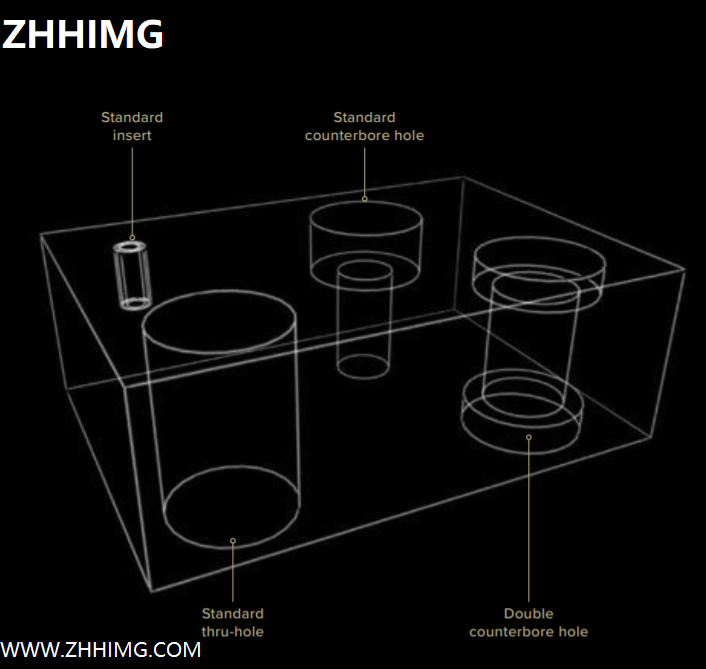
Нарийвчлалтай боржин чулуун дээр хэдэн төрлийн нүх байдаг вэ?
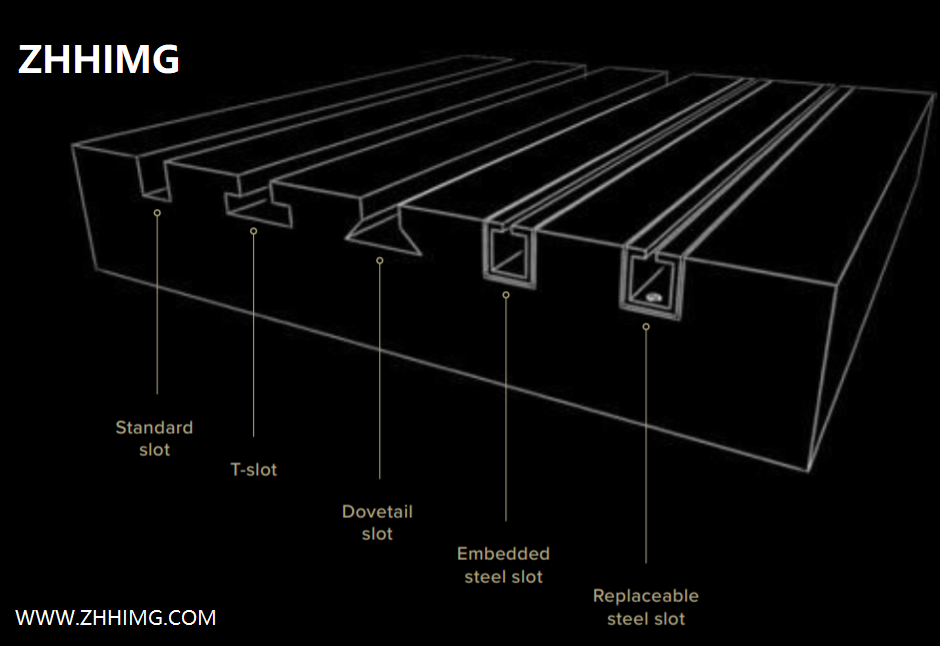
Нарийвчлалтай боржин чулуун эд ангиудын үүрнүүд
Олон үйлдвэр, үзлэгийн өрөө, лабораторийн хувьд нарийн боржин чулуун гадаргуугийн хавтангуудыг нарийвчлалтай хэмжих үндэс суурь болгон ашигладаг. Шугаман хэмжилт бүр нь эцсийн хэмжээсийг авсан нарийвчлалтай лавлах гадаргуугаас хамаардаг тул гадаргуугийн хавтангууд нь машин механизмын өмнө ажлын үзлэг, зохион байгуулалтад хамгийн сайн лавлах хавтгайг өгдөг. Эдгээр нь мөн өндрийн хэмжилт хийх, гадаргууг хэмжихэд тохиромжтой суурь болдог. Цаашилбал, өндөр тэгш байдал, тогтвортой байдал, ерөнхий чанар, хийц нь нарийн механик, электрон болон оптик хэмжих системийг суурилуулахад сайн сонголт болдог. Эдгээр хэмжилтийн процессуудын аль нэгэнд гадаргуугийн хавтангуудыг тохируулсан байлгах нь зайлшгүй чухал юм.
Хэмжилт ба тэгш байдлыг давтах
Нарийвчлалтай гадаргууг хангахын тулд тэгш байдал болон давтан хэмжилтүүд хоёулаа чухал үүрэгтэй. Хавтгай байдлыг гадаргуу дээрх бүх цэгүүд нь суурь хавтгай ба дээврийн хавтгай гэсэн хоёр зэрэгцээ хавтгайд байрладаг гэж үзэж болно. Хавтгайнуудын хоорондох зайг хэмжих нь гадаргуугийн нийт тэгш байдал юм. Энэхүү тэгш байдлын хэмжилт нь ерөнхийдөө хүлцэлтэй бөгөөд зэрэглэлийн тэмдэглэгээг агуулж болно.
Гурван стандарт зэрэглэлийн тэгш байдлын хүлцлийг холбооны техникийн тодорхойлолтод дараах томъёогоор тодорхойлсон болно.
DIN Стандарт, GB Стандарт, ASME Стандарт, JJS стандарт... өөр өөр улс орон өөр өөр стендтэй...
Стандартын талаар дэлгэрэнгүй мэдээлэл.
Хавтгай байдлаас гадна давтагдах байдлыг хангах ёстой. Давтан хэмжилт гэдэг нь орон нутгийн тэгш байдлын талбайн хэмжилт юм. Энэ нь хавтангийн гадаргуу дээр заасан хүлцлийн хүрээнд давтагдах хэмжилт юм. Орон нутгийн тэгш байдлыг нийт тэгш байдлаас илүү хатуу хүлцэлтэй болгохын тулд хянах нь гадаргуугийн тэгш байдлын профайл аажмаар өөрчлөгдөхийг баталгаажуулж, улмаар орон нутгийн алдааг багасгадаг.
Гадаргуугийн хавтан нь тэгш байдал болон давтан хэмжилтийн үзүүлэлтүүдийг хоёуланг нь хангаж байгаа эсэхийг баталгаажуулахын тулд боржин чулуун гадаргуугийн хавтангийн үйлдвэрлэгчид өөрсдийн үзүүлэлтүүдийн үндэс болгон Холбооны техникийн тодорхойлолт GGG-P-463c-г ашиглах ёстой. Энэхүү стандарт нь давтан хэмжилтийн нарийвчлал, гадаргуугийн хавтангийн боржин чулуун материалын шинж чанар, гадаргуугийн өнгөлгөө, тулгуур цэгийн байршил, хатуулаг, хүлээн зөвшөөрөгдсөн шалгалтын аргууд болон эрчилсэн оруулгыг суурилуулах асуудлыг авч үздэг.
Хавтангийн нарийвчлалыг шалгах
Хэд хэдэн энгийн удирдамжийг дагаж мөрдвөл боржин чулуун гадаргуугийн хавтан худалдаж авах хөрөнгө оруулалт олон жилийн турш үргэлжлэх болно. Хавтангийн хэрэглээ, цехийн орчин болон шаардлагатай нарийвчлалаас хамааран гадаргуугийн хавтангийн нарийвчлалыг шалгах давтамж харилцан адилгүй байдаг. Ерөнхий дүрэм бол шинэ хавтанг худалдан авснаас хойш нэг жилийн дотор бүрэн дахин тохируулга хийлгэх явдал юм. Хэрэв хавтанг байнга ашигладаг бол энэ хугацааг зургаан сар болгон богиносгохыг зөвлөж байна.
Гадаргуугийн хавтан нь нийт тэгш байдлын тодорхойлолтоос хэтэрсэн элэгдэлд орохоос өмнө элэгдсэн эсвэл долгионтой тулгууруудыг харуулна. Давтан унших хэмжүүр ашиглан давтан хэмжилтийн алдааг сар бүр шалгаж үзэхэд элэгдлийн цэгүүд тодорхойлогдоно. Давтан унших хэмжүүр нь орон нутгийн алдааг илрүүлдэг өндөр нарийвчлалтай багаж бөгөөд өндөр томруулдаг электрон өсгөгч дээр харуулж болно.
Үр дүнтэй үзлэгийн хөтөлбөрт автоколлиматороор тогтмол шалгалт хийх шаардлагатай бөгөөд энэ нь Үндэсний Стандарт, Технологийн Хүрээлэн (NIST)-д мөрдөх боломжтой нийт тэгш байдлын бодит тохируулгыг хангах ёстой. Үйлдвэрлэгч эсвэл бие даасан компанийн цогц тохируулга үе үе шаардлагатай байдаг.
Тохируулгын хоорондох өөрчлөлтүүд
Зарим тохиолдолд гадаргуугийн хавтангийн тохируулгын хооронд ялгаа байдаг. Заримдаа элэгдэл, хяналтын төхөөрөмжийг буруу ашигласан эсвэл тохируулаагүй тоног төхөөрөмж ашигласнаас үүдэлтэй гадаргуугийн өөрчлөлт зэрэг хүчин зүйлүүд эдгээр хэлбэлзлийг тайлбарлаж болно. Гэсэн хэдий ч хамгийн түгээмэл хоёр хүчин зүйл бол температур ба тулгуур юм.
Хамгийн чухал хувьсагчдын нэг бол температур юм. Жишээлбэл, гадаргууг тохируулахаас өмнө халуун эсвэл хүйтэн уусмалаар угааж, хэвийн болгоход хангалттай хугацаа өгөөгүй байж болно. Температурын өөрчлөлтийн бусад шалтгаануудад хүйтэн эсвэл халуун агаарын салхи, нарны шууд тусгал, дээд гэрэлтүүлэг эсвэл хавтангийн гадаргуу дээрх цацрагийн дулааны бусад эх үүсвэрүүд орно.
Өвөл, зуны хооронд босоо температурын градиент хэлбэлзэлтэй байж болно. Зарим тохиолдолд хавтанг тээвэрлэсний дараа хэвийн болгоход хангалттай хугацаа өгдөггүй. Тохируулга хийх үед босоо градиентийн температурыг бүртгэх нь зүйтэй.
Тохируулгын хэлбэлзлийн өөр нэг нийтлэг шалтгаан бол хавтанг буруу тулгуурласан байх явдал юм. Гадаргуугийн хавтанг гурван цэг дээр тулгуурласан байх ёстой бөгөөд хамгийн тохиромжтой нь хавтангийн үзүүрээс уртын 20%-ийн зайд байрлах ёстой. Хоёр тулгуурыг урт талаас нь өргөний 20%-ийн зайд байрлуулж, үлдсэн тулгуурыг төвд байрлуулсан байх ёстой.
Нарийвчлалтай гадаргуугаас бусад бүх зүйл дээр зөвхөн гурван цэг л бат бөх тогтож чадна. Хавтанг гурваас дээш цэг дээр тулгуурлахыг оролдох нь хавтан нь гурван цэгийн янз бүрийн хослолоос тулгуур авахад хүргэдэг бөгөөд энэ нь үйлдвэрлэлийн явцад тулгуурлаж байсан гурван цэгтэй адилгүй байх болно. Энэ нь хавтан шинэ тулгуурын зохион байгуулалтад нийцэхийн тулд хазайхад алдаа гарахад хүргэнэ. Зөв тулгуурын цэгүүдтэй зэрэгцэх зориулалттай тулгуур дам нуруутай ган тулгуур ашиглах талаар бодож үзээрэй. Энэ зорилгоор зориулсан тулгуурыг ерөнхийдөө гадаргуугийн хавтангийн үйлдвэрлэгчээс авах боломжтой.
Хэрэв хавтанг зөв тулгуурласан бол нарийн тэгшлэх нь зөвхөн програм тодорхойлсон тохиолдолд л шаардлагатай. Зөв тулгуурласан хавтангийн нарийвчлалыг хадгалахын тулд тэгшлэх шаардлагагүй.
Хавтангийн ашиглалтын хугацааг уртасгах
Хэд хэдэн удирдамжийг дагаж мөрдөх нь боржин чулуун гадаргуугийн хавтангийн элэгдлийг бууруулж, эцэст нь ашиглалтын хугацааг уртасгана.
Нэгдүгээрт, хавтанг цэвэр байлгах нь чухал юм. Агаарт цацагддаг зүлгүүрийн тоос нь ихэвчлэн хавтангийн элэгдэл, урагдалтын хамгийн том эх үүсвэр болдог, учир нь энэ нь ажлын хэсгүүд болон хэмжигч хэрэгслийн хүрэлцэх гадаргуу дээр нэвчдэг.
Мөн тоос шороо, эвдрэлээс хамгаалахын тулд хавтангуудыг таглах нь чухал юм. Ашиглаагүй үед хавтанг тагласнаар элэгдлийн хугацааг уртасгаж болно.
Нэг хэсгийг хэт их ашиглахгүйн тулд хавтанг үе үе эргүүлнэ үү. Түүнчлэн, хэмжигч дээрх ган контакт дэвсгэрийг карбидын дэвсгэрээр солихыг зөвлөж байна.
Тавган дээр хоол хүнс эсвэл хийжүүлсэн ундаа тавихаас зайлсхий. Олон хийжүүлсэн ундаа нь нүүрстөрөгчийн эсвэл фосфорын хүчил агуулдаг бөгөөд энэ нь зөөлөн эрдэс бодисыг уусгаж, гадаргуу дээр жижиг нүх үлдээдэг.
Хаана дахин хийх вэ
Боржин чулуун гадаргуугийн хавтанг дахин гадаргуугаар хучих шаардлагатай үед энэ үйлчилгээг газар дээр нь хийлгэх үү эсвэл тохируулгын байгууламж дээр хийлгэх үү гэдгийг анхаарч үзээрэй. Хавтанг үйлдвэрт эсвэл тусгай зориулалтын байгууламжид дахин хучих нь үргэлж илүү тохиромжтой байдаг. Гэсэн хэдий ч хэрэв хавтан нь хэт их элэгдээгүй, ерөнхийдөө шаардлагатай хүлцэх хэмжээнээс 0.001 инч дотор байвал түүнийг газар дээр нь дахин хучих боломжтой. Хэрэв хавтан нь хүлцэх хэмжээнээс 0.001 инчээс илүү элэгдсэн, эсвэл муу хонхорхойтой эсвэл урагдаж гэмтсэн бол дахин хучихаас өмнө үйлдвэрт нунтаглахаар илгээх хэрэгтэй.
Тохируулгын байгууламж нь хавтанг зохих ёсоор тохируулах, шаардлагатай бол дахин боловсруулах хамгийн оновчтой нөхцлийг бүрдүүлдэг тоног төхөөрөмж, үйлдвэрийн тохиргоотой байдаг.
Газар дээр нь тохируулга хийх, гадаргууг дахин будах техникчийг сонгохдоо маш болгоомжтой байх хэрэгтэй. Магадлан итгэмжлэл хүсч, техникч ашиглах тоног төхөөрөмж нь хяналттай тохируулгатай эсэхийг шалгаарай. Туршлага нь бас чухал хүчин зүйл болдог, учир нь нарийн боржин чулууг хэрхэн зөв тойрохыг сурахад олон жил шаардагддаг.
Чухал хэмжилтүүд нь нарийн боржин чулуун гадаргуугийн хавтанг суурь болгон ашиглахаас эхэлдэг. Зөв тохируулсан гадаргуугийн хавтанг ашиглан найдвартай лавлагаа хийснээр үйлдвэрлэгчид найдвартай хэмжилт, илүү чанартай эд ангиудын чухал хэрэгслүүдийн нэгтэй байдаг.Q
Тохируулгын өөрчлөлтийн шалгах хуудас
1. Гадаргууг тохируулгын өмнө халуун эсвэл хүйтэн уусмалаар угааж, хэвийн болгоход хангалттай хугацаа өгөөгүй.
2. Хавтанг буруу тулгуурласан байна.
3. Температурын өөрчлөлт.
4. Ноорог.
5. Хавтангийн гадаргуу дээр нарны шууд тусгал эсвэл бусад цацрагийн дулаан тусгана. Дээрээс гэрэлтүүлэг нь гадаргууг халаахгүй байгаа эсэхийг шалгаарай.
6. Өвөл ба зуны хоорондох босоо температурын градиентийн хэлбэлзэл. Боломжтой бол тохируулга хийх үеийн босоо градиентийн температурыг мэдэж аваарай.
7. Ачаа тээвэрлэсний дараа хавтанг хэвийн болгоход хангалттай хугацаа өгөөгүй.
8. Хяналтын төхөөрөмжийг зохисгүй ашиглах эсвэл тохируулаагүй тоног төхөөрөмж ашиглах.
9. Элэгдэлээс үүдэлтэй гадаргуугийн өөрчлөлт.
Техникийн зөвлөгөө
- Шугаман хэмжилт бүр нь эцсийн хэмжээсийг авсан нарийвчлалтай лавлах гадаргуугаас хамаардаг тул гадаргуугийн хавтан нь машин механизмын өмнө ажлын үзлэг, зохион байгуулалтад хамгийн сайн лавлах хавтгайг өгдөг.
- Орон нутгийн тэгш байдлыг нийт тэгш байдлаас илүү хатуу хүлцэлтэй байлгах нь гадаргуугийн тэгш байдлын профайлыг аажмаар өөрчлөхийг баталгаажуулж, улмаар орон нутгийн алдааг хамгийн бага хэмжээнд байлгадаг.
- Үр дүнтэй үзлэгийн хөтөлбөрт автоколлиматороор тогтмол шалгалт хийх, Үндэсний хяналтын байгууллагад мөрдөх боломжтой нийт тэгш байдлын бодит тохируулгыг хийх зэрэг орно.
Боржин чулууг бүрдүүлдэг эрдсийн хэсгүүдийн 90 гаруй хувь нь хээрийн жонш, кварц бөгөөд үүнээс хээрийн жонш хамгийн их байдаг. Хээрийн жонш нь ихэвчлэн цагаан, саарал, махан улаан өнгөтэй байдаг бөгөөд кварц нь ихэвчлэн өнгөгүй эсвэл саарал цагаан өнгөтэй байдаг бөгөөд энэ нь боржин чулууны үндсэн өнгийг бүрдүүлдэг. Хээрийн жонш, кварц нь хатуу эрдэс бодис бөгөөд ган хутгаар зөөхөд хэцүү байдаг. Боржин чулуун дахь хар толбо, голчлон хар гялтгануурын хувьд бусад зарим эрдэс бодисууд байдаг. Биотит нь харьцангуй зөөлөн боловч стрессийг тэсвэрлэх чадвар нь сул биш бөгөөд үүний зэрэгцээ тэдгээр нь бага хэмжээний боржин чулуу агуулдаг бөгөөд ихэвчлэн 10%-иас бага байдаг. Энэ бол боржин чулуу онцгой бат бөх байдаг материалын нөхцөл юм.
Боржин чулуу яагаад бат бөх байдаг бас нэг шалтгаан нь түүний эрдэс хэсгүүд хоорондоо нягт холбоотой бөгөөд бие биедээ нэвчиж байдагт оршино. Нүх сүв нь чулуулгийн нийт эзэлхүүний 1%-иас бага хувийг эзэлдэг. Энэ нь боржин чулуунд хүчтэй даралтыг тэсвэрлэх чадварыг өгдөг бөгөөд чийг амархан нэвтэрдэггүй.
Боржин чулуун эд ангиуд нь зэврэлтгүй, хүчил ба шүлтийн эсэргүүцэл сайтай, элэгдэлд тэсвэртэй, удаан эдэлгээтэй, тусгай засвар үйлчилгээ шаарддаггүй чулуугаар хийгдсэн. Боржин чулуун нарийн эд ангиудыг ихэвчлэн машин механизмын үйлдвэрлэлийн багаж хэрэгсэлд ашигладаг. Тиймээс тэдгээрийг боржин чулуун нарийн эд анги эсвэл боржин чулуун эд анги гэж нэрлэдэг. Боржин чулуун нарийн эд ангиудын шинж чанар нь боржин чулуун тавцангийн шинж чанартай үндсэндээ ижил байдаг. Боржин чулуун нарийн эд ангиудын багаж хэрэгсэл, хэмжилтийн танилцуулга: Нарийвчлалтай машин механизм болон бичил машин механизмын технологи нь машин механизмын үйлдвэрлэлийн хөгжлийн чухал чиглэл бөгөөд өндөр технологийн түвшинг хэмжих чухал үзүүлэлт болсон. Хамгийн сүүлийн үеийн технологи болон батлан хамгаалах салбарын хөгжил нь нарийн машин механизм болон бичил машин механизмын технологиос салшгүй юм. Боржин чулуун эд ангиудыг хэмжилтийн явцад жигд гулсуулж, зогсонги байдалд оруулж болно. Ажлын гадаргуугийн хэмжилт, ерөнхий зураас нь хэмжилтийн нарийвчлалд нөлөөлдөггүй. Боржин чулуун эд ангиудыг эрэлтийн талын шаардлагын дагуу зохион бүтээж, үйлдвэрлэх шаардлагатай.
Хэрэглээний талбар:
Бидний мэдэж байгаагаар улам олон машин механизм, тоног төхөөрөмж нарийн боржин чулуун эд ангиудыг сонгож байна.
Боржин чулуун эд ангиудыг динамик хөдөлгөөн, шугаман мотор, cmm, cnc, лазер машинд ашигладаг...
Дэлгэрэнгүй мэдээлэл авахыг хүсвэл бидэнтэй холбогдоно уу.
Боржин чулуун хэмжих хэрэгсэл болон боржин чулуун механик эд ангиудыг өндөр чанартай Жинань хар боржин чулуугаар хийсэн. Өндөр нарийвчлал, удаан эдэлгээ, сайн тогтвортой байдал, зэврэлтэнд тэсвэртэй тул орчин үеийн үйлдвэрлэлийн бүтээгдэхүүний үзлэг, механик агаарын сансрын судалгаа зэрэг шинжлэх ухааны салбарт улам бүр ашиглагдаж байна.
Давуу талууд
----Цутгамал төмрөөс хоёр дахин хатуу;
----Хэмжээний хамгийн бага өөрчлөлт нь температурын өөрчлөлтөөс үүдэлтэй;
----Эвдрэлгүй тул ажил тасалдалгүй;
----Нарийхан ширхэгийн бүтэц болон бага зэрэг наалдамхай чанараас шалтгаалан цооролт, цухуйлтгүй тул удаан хугацааны турш өндөр тэгш байдлыг хангаж, бусад эд анги, багаж хэрэгсэлд гэмтэл учруулахгүй.
----Соронзон материалтай ажиллахад асуудалгүй ажиллагаатай;
----Удаан эдэлгээтэй, зэврэлтгүй тул засвар үйлчилгээний зардал бага байдаг.
Нарийвчлалтай боржин чулуун гадаргуугийн хавтангууд нь нарийвчлалд хүрэхийн тулд өндөр тэгш байдлын стандартад нийцүүлэн нарийн өрөмдсөн бөгөөд нарийн механик, электрон болон оптик хэмжих системийг суурилуулах суурь болгон ашигладаг.
Боржин чулуун гадаргуугийн хавтангийн зарим өвөрмөц онцлогууд:
Хатуулаг дахь жигд байдал;
Ачааллын доорхи нарийвчлалтай нөхцөл;
Чичиргээ шингээгч;
Цэвэрлэхэд хялбар;
Ороомогт тэсвэртэй;
Бага сүвэрхэг чанар;
Зүлгүүргүй;
Соронзон бус
Боржин чулуун гадаргуугийн хавтангийн давуу талууд
Нэгдүгээрт, чулуулаг удаан хугацааны байгалийн хөгшрөлтийн дараа жигд бүтэцтэй, коэффициент хамгийн бага, дотоод стресс бүрэн арилдаг, деформацид ордоггүй тул нарийвчлал өндөр байдаг.
Хоёрдугаарт, тогтмол температурын нөхцөлд зураас байхгүй бөгөөд өрөөний температурт температурын хэмжилтийн нарийвчлалыг хадгалах боломжтой.
Гуравдугаарт, соронзон биш, хэмжилт нь жигд хөдөлгөөнтэй, шажигнах мэдрэмжгүй, чийгэнд өртөөгүй, хавтгай тогтмол байна.
Дөрөвдүгээрт, хатуулаг сайн, хатуулаг өндөр, үрэлтэд тэсвэртэй.
Тавдугаарт, хүчил, шүлтлэг шингэн элэгдэлд орохоос айдаггүй, зэврэхгүй, тос түрхэх шаардлагагүй, наалдамхай бичил тоос шороонд ороход хялбар, засвар үйлчилгээ хийхэд хялбар, удаан эдэлгээтэй.
Яагаад цутгамал төмрийн машины орны оронд боржин чулуун суурийг сонгох хэрэгтэй вэ?
1. Боржин чулуун машины суурь нь цутгамал төмөр машины суурьтай харьцуулахад илүү өндөр нарийвчлалтай байж чаддаг. Цутгамал төмөр машины суурь нь температур болон чийгшилд амархан нөлөөлдөг боловч боржин чулуун машины суурь нь нөлөөлдөггүй;
2. Боржин чулуун машины суурь болон цутгамал төмрийн суурь ижил хэмжээтэй тул боржин чулуун машины суурь нь цутгамал төмрөөс илүү зардал багатай;
3. Тусгай боржин чулуун машины суурь нь цутгамал төмөр машины суурьтай харьцуулахад өнгөлөхөд илүү хялбар байдаг.
Боржин чулуун гадаргуугийн хавтан нь улс орон даяарх хяналтын лабораториудын гол багаж хэрэгсэл юм. Гадаргуугийн хавтангийн тохируулсан, маш тэгш гадаргуу нь байцаагчдад тэдгээрийг эд ангийн үзлэг болон багаж хэрэгслийн тохируулгын суурь болгон ашиглах боломжийг олгодог. Гадаргуугийн хавтангийн тогтвортой байдлыг хангахгүйгээр янз бүрийн технологи, анагаах ухааны салбарт хатуу тэсвэртэй олон эд ангийг зөв үйлдвэрлэхэд илүү хэцүү, магадгүй боломжгүй байх болно. Мэдээжийн хэрэг, боржин чулуун гадаргуугийн блок ашиглан бусад материал, багаж хэрэгслийг тохируулж, шалгахын тулд боржин чулуун хавтангийн нарийвчлалыг үнэлэх шаардлагатай. Хэрэглэгчид боржин чулуун гадаргуугийн хавтангийн нарийвчлалыг баталгаажуулахын тулд тохируулж болно.
Боржин чулуун гадаргуугийн хавтанг тохируулахаас өмнө цэвэрлэнэ. Цэвэрхэн, зөөлөн даавуунд бага хэмжээний гадаргуугийн хавтангийн цэвэрлэгч хийж, боржин чулуун гадаргууг арчина. Цэвэрлэгчийг гадаргуугийн хавтангаас хуурай даавуугаар нэн даруй хатаана. Цэвэрлэгч шингэнийг агаарт хатааж болохгүй.
Боржин чулуун гадаргуугийн хавтангийн төвд давтан хэмжих хэмжүүрийг байрлуул.
Боржин чулуун хавтангийн гадаргуу дээр давтан хэмжих хэмжүүрийг тэглэнэ.
Хэмжигчийг боржин чулууны гадаргуу дээгүүр аажмаар хөдөлгөнө үү. Хэмжигчийг ажиглаж, багажийг хавтан дээгүүр хөдөлгөхдөө өндрийн хэлбэлзлийн оргилуудыг тэмдэглэнэ үү.
Хавтангийн гадаргуу дээрх тэгш байдлын хэлбэлзлийг хавтангийн хэмжээ болон боржин чулууны тэгш байдлын зэрэглэлээс хамааран өөр өөр байдаг гадаргуугийн хавтангийн хүлцэлтэй харьцуулна уу. Таны хавтан хэмжээ болон зэрэглэлийн тэгш байдлын шаардлагыг хангаж байгаа эсэхийг тодорхойлохын тулд холбооны GGG-P-463c техникийн тодорхойлолтыг үзнэ үү (Нөөцийг үзнэ үү). Хавтан дээрх хамгийн өндөр цэг ба хавтан дээрх хамгийн нам цэгийн хоорондох хэлбэлзэл нь түүний тэгш байдлын хэмжилт юм.
Хавтангийн гадаргуу дээрх хамгийн том гүний хэлбэлзэл нь тухайн хэмжээ, зэрэглэлийн хавтангийн давтагдах чанарын үзүүлэлтэд багтаж байгаа эсэхийг шалгана уу. Таны хавтан хэмжээнийхээ давтагдах чанарын шаардлагыг хангаж байгаа эсэхийг тодорхойлохын тулд холбооны GGG-P-463c техникийн үзүүлэлттэй танилцана уу (Нөөцийг үзнэ үү). Хэрэв нэг цэг ч гэсэн давтагдах чанарын шаардлагыг хангаагүй бол гадаргуугийн хавтангаас татгалзана уу.
Холбооны шаардлагыг хангаагүй боржин чулуун гадаргуугийн хавтанг ашиглахаа зогсоо. Үйлдвэрлэгч эсвэл боржин чулуун гадаргуугийн компанид буцааж, техникийн шаардлагад нийцүүлэн дахин өнгөлгөө хийлгээрэй.
Зөвлөгөө
Жилд дор хаяж нэг удаа албан ёсны тохируулга хийх боловч их хэмжээгээр ашиглагддаг боржин чулуун гадаргуугийн хавтанг илүү олон удаа тохируулах шаардлагатай.
Үйлдвэрлэл эсвэл үзлэгийн орчинд албан ёсны, бүртгэгдэх боломжтой тохируулгыг ихэвчлэн чанарын баталгаажуулалт эсвэл гадны тохируулгын үйлчилгээний борлуулагч хийдэг боловч хэн ч ашиглахаасаа өмнө гадаргуугийн хавтанг албан бусаар шалгахын тулд давтан хэмжих хэмжүүр ашиглаж болно.
Боржин чулуун гадаргуугийн хавтангийн эртний түүх
Дэлхийн 2-р дайны өмнө үйлдвэрлэгчид эд ангийн хэмжээст үзлэгт ган гадаргуугийн хавтанг ашигладаг байсан. Дэлхийн 2-р дайны үед гангийн хэрэгцээ эрс нэмэгдэж, олон тооны ган гадаргуугийн хавтанг хайлуулсан. Орлуулах шаардлагатай болсон бөгөөд боржин чулуу нь маш сайн хэмжилзүйн шинж чанартай тул сонгомол материал болсон.
Гангаас боржин чулуу хэд хэдэн давуу талтай болох нь тодорхой болсон. Боржин чулуу нь илүү хатуу боловч хэврэг бөгөөд хагаралд өртөмтгий байдаг. Та боржин чулууг гангаас хамаагүй илүү хавтгай, хурдан болгож болно. Боржин чулуу нь гантай харьцуулахад дулааны тэлэлт багатай байх нь зүйтэй. Цаашилбал, хэрэв ган хавтанг засах шаардлагатай бол машин механизмын засвар хийхэд ур чадвараа ашигласан гар урчууд гараар хусах шаардлагатай болдог.
Дашрамд хэлэхэд, зарим ган гадаргуугийн хавтангууд өнөөг хүртэл ашиглагдаж байна.
Боржин чулуун хавтангийн хэмжилзүйн шинж чанарууд
Боржин чулуу нь галт уулын дэлбэрэлтээс үүссэн магмын чулуулаг юм. Үүнтэй харьцуулахад гантиг нь метаморфжсон шохойн чулуу юм. Хэмжилзүйн зорилгоор сонгосон боржин чулуу нь одооноос эхлэн Холбооны техникийн үзүүлэлтүүд гэж нэрлэгддэг GGG-P-463c Холбооны техникийн үзүүлэлтүүд, ялангуяа 3.1-р хэсгийн 3.1-д заасан тодорхой шаардлагыг хангасан байх ёстой. 3.1 Холбооны техникийн үзүүлэлтүүдийн дунд боржин чулуу нь нарийн ширхэгтэй эсвэл дунд зэргийн ширхэгтэй бүтэцтэй байх ёстой.
Боржин чулуу нь хатуу материал боловч хатуулаг нь хэд хэдэн шалтгааны улмаас харилцан адилгүй байдаг. Туршлагатай боржин чулуун хавтангийн техникч хатуулгийг өнгөөр нь тооцоолж болох бөгөөд энэ нь түүний кварцын агууламжийн үзүүлэлт юм. Боржин чулууны хатуулаг нь кварцын агууламж болон гялтгануур байхгүйгээс хэсэгчлэн тодорхойлогддог шинж чанар юм. Улаан, ягаан боржин чулуу нь хамгийн хатуу, саарал нь дунд зэргийн хатуулагтай, хар нь хамгийн зөөлөн байдаг.
Янгийн уян хатан чанарын модулийг чулууны уян хатан чанар буюу хатуулгийн заалтыг илэрхийлэхэд ашигладаг. Ягаан боржин чулуу нь дунджаар 3-5 оноо, саарал нь 5-7 оноо, хар нь 7-10 оноотой байдаг. Тоо бага байх тусам боржин чулуу нь илүү хатуу байх хандлагатай байдаг. Тоо том байх тусам боржин чулуу нь илүү зөөлөн, уян хатан байдаг. Хүлцлийн зэрэгт шаардлагатай зузаан, түүн дээр байрлуулсан эд анги, хэмжүүрийн жинг сонгохдоо боржин чулууны хатуулгийг мэдэх нь чухал юм.
Хуучин цагт жинхэнэ машинистууд цамцныхаа халаасанд байгаа триг хүснэгтийн товхимлоор алдаршсан үед хар боржин чулууг "Хамгийн шилдэг" гэж үздэг байв. Хамгийн шилдэг нь элэгдэлд хамгийн тэсвэртэй эсвэл илүү хатуу төрлийг хэлдэг. Нэг дутагдалтай тал нь хатуу боржин чулуу нь хагарах эсвэл амархан хонхойх хандлагатай байдаг. Машинистууд хар боржин чулуу бол хамгийн шилдэг гэдэгт маш их итгэдэг байсан тул зарим ягаан боржин чулуу үйлдвэрлэгчид тэдгээрийг хар өнгөөр буддаг байв.
Агуулахаас зөөхөд сэрээт ачигчаас унагаасан хавтанг би хувьдаа харсан. Хавтан шалан дээр унаж, хоёр хэсэгт хуваагдан жинхэнэ ягаан өнгийг нь гаргажээ. Хятадаас хар боржин чулуу худалдаж авахаар төлөвлөж байгаа бол болгоомжтой байгаарай. Мөнгөө өөр аргаар үрэхийг зөвлөж байна. Боржин чулуун хавтан нь хатуулгийн хувьд өөр өөр байж болно. Кварцын зураас нь гадаргуугийн хавтангийн бусад хэсгээс хамаагүй хатуу байж болно. Хар габброгийн давхарга нь тухайн хэсгийг илүү зөөлөн болгож чадна. Сайн бэлтгэгдсэн, туршлагатай гадаргуугийн хавтангийн засварын техникчид эдгээр зөөлөн хэсгүүдийг хэрхэн зохицуулахаа мэддэг.
Гадаргуугийн хавтангийн зэрэглэл
Гадаргуугийн хавтангийн дөрвөн зэрэг байдаг. Лабораторийн зэрэг AA ба A, Өрөөний үзлэгийн зэрэг B, дөрөв дэх нь цехийн зэрэг юм. AA ба A зэрэг нь AA зэрэглэлийн хавтангийн хувьд хамгийн хавтгай бөгөөд тэгш байдлын хүлцэл нь 0.00001 инчээс дээш байдаг. Цехийн зэрэг нь хамгийн бага хавтгай бөгөөд нэрнээс нь харахад багажны өрөөнд ашиглах зориулалттай. AA зэрэглэлийн хувьд А ба B зэрэглэлийг үзлэг эсвэл чанарын хяналтын лабораторид ашиглах зориулалттай.
PГадаргуугийн хавтангийн тохируулгын олсны туршилт
Би үйлчлүүлэгчиддээ сүмээсээ 10 настай ямар ч хүүхдийг гаргаж ирээд хэдхэн хоногийн дотор хавтанг хэрхэн туршихыг зааж өгч чадна гэж үргэлж хэлдэг байсан. Энэ нь тийм ч хэцүү биш. Даалгаврыг хурдан гүйцэтгэхийн тулд тодорхой хэмжээний техник шаардлагатай бөгөөд хүн цаг хугацаа, олон давталтын явцад сурдаг техникүүд байдаг. Би танд хэлэх ёстой бөгөөд онцлон тэмдэглэхэд хангалттай биш, Fed Spec GGG-P-463c нь тохируулгын журам БИШ! Үүний талаар дараа дэлгэрэнгүй ярих болно.
Нийт хавтгай байдал (Дундаж талбар) болон давтагдах чадвар (орон нутгийн элэгдэл)-ийн шалгалтыг Fed-ийн техникийн үзүүлэлтүүдийн дагуу хийх нь зайлшгүй шаардлагатай. Үүний цорын ганц үл хамаарах зүйл бол зөвхөн давтагдах чадвар шаардлагатай жижиг хавтангууд юм.
Мөн бусад туршилтуудын нэгэн адил дулааны градиентийн туршилт чухал юм. (Доорх Дельта Т-г үзнэ үү)
Зураг 1
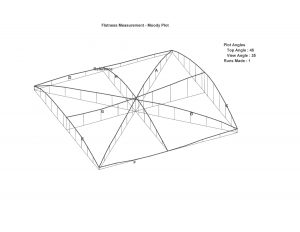
Хавтгай байдлын туршилт нь батлагдсан 4 аргатай. Электрон түвшин, автоколлимация, лазер болон хавтгай байршил тогтоогч гэгддэг төхөөрөмж. Бид зөвхөн электрон түвшинг ашигладаг, учир нь тэдгээр нь хэд хэдэн шалтгааны улмаас хамгийн нарийвчлалтай бөгөөд хамгийн хурдан арга юм.
Лазер болон автоколлиматорууд нь маш шулуун гэрлийн цацрагийг лавлагаа болгон ашигладаг. Боржин чулуун гадаргуугийн хавтангийн шулуун байдлын хэмжилтийг гадаргуугийн хавтан ба гэрлийн цацрагийн хоорондох зайны хэлбэлзлийг харьцуулж хийдэг. Шулуун гэрлийн цацрагийг авч, ойлтын бай руу цохиж, ойлтын байг гадаргуугийн хавтангаар доош хөдөлгөснөөр ялгарч буй цацраг ба буцах цацрагийн хоорондох зай нь шулуун байдлын хэмжилт болно.
Энэ аргын асуудал энд байна. Бай болон эх үүсвэр нь чичиргээ, орчны температур, хавтгай эсвэл маажингүй бай, агаарын бохирдол, агаарын хөдөлгөөн (гүйдэл)-ээс хамаардаг. Энэ бүхэн нь алдааны нэмэлт бүрэлдэхүүн хэсгүүдийг бий болгодог. Цаашилбал, автоколлиматороор хийсэн шалгалтаас операторын алдааны хувь нэмэр илүү их байдаг.
Туршлагатай автоколлиматор хэрэглэгч маш нарийвчлалтай хэмжилт хийж чаддаг ч, ялангуяа хол зайд тусгал нь өргөжих эсвэл бага зэрэг бүдгэрэх хандлагатай байдаг тул уншилтын тогтвортой байдлын асуудалтай тулгардаг. Түүнчлэн, төгс тэгш бус бай болон линзээр удаан хугацаагаар товших нь нэмэлт алдаа үүсгэдэг.
Хавтгай байршил тогтоогч төхөөрөмж бол зүгээр л утгагүй юм. Энэ төхөөрөмж нь маш шулуун (маш шулуун коллимат эсвэл лазер гэрлийн цацрагтай харьцуулахад) гэрлийн цацрагийг лавлагаа болгон ашигладаг. Механик төхөөрөмж нь ердийн үед ердөө 20 u инчийн нарийвчлалтай индикаторыг ашиглаад зогсохгүй, баар болон өөр өөр материалын шулуун бус байдал нь хэмжилтийн алдааг ихээхэн нэмэгдүүлдэг. Бидний бодлоор энэ арга нь хүлээн зөвшөөрөгдөхүйц боловч ямар ч чадварлаг лаборатори хавтгай байршил тогтоогч төхөөрөмжийг эцсийн үзлэгийн хэрэгсэл болгон ашиглахгүй.
Электрон түвшин нь таталцлын хүчийг лавлагаа болгон ашигладаг. Дифференциал электрон түвшин нь чичиргээнд нөлөөлдөггүй. Тэдгээр нь 0.1 нуман секунд хүртэл бага нарийвчлалтай бөгөөд хэмжилт нь хурдан, нарийвчлалтай бөгөөд туршлагатай операторын алдааны хувь нэмэр маш бага байдаг. Хавтгай байршил тогтоогч болон автоколлиматорууд аль аль нь гадаргуугийн компьютерээр үүсгэсэн топографийн (Зураг 1) эсвэл изометрийн графикийг (Зураг 2) өгдөггүй.
Зураг 2
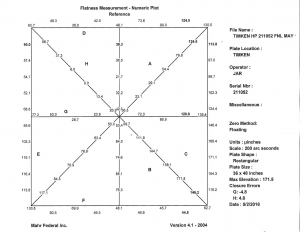
Гадаргуугийн тэгш байдлын зохих туршилт
Гадаргуугийн тэгш байдлын туршилт нь энэ өгүүллийн маш чухал хэсэг тул би үүнийг эхэнд нь оруулах ёстой байсан. Өмнө дурдсанчлан, Fed Spec. GGG-p-463c нь тохируулгын арга БИШ. Энэ нь Холбооны Засгийн газрын агентлаг худалдан авагч болох хэмжилзүйн зэрэглэлийн боржин чулууны олон талын гарын авлага болж өгдөг бөгөөд үүнд туршилтын аргууд болон хүлцэл эсвэл зэрэглэлүүд багтдаг. Хэрэв гэрээт гүйцэтгэгч нь Fed Spec-ийг дагаж мөрдсөн гэж мэдэгдэж байгаа бол тэгш байдлын утгыг Moody аргаар тодорхойлно.
Муди бол 50-иад оны үед нийт тэгш байдлыг тодорхойлох, туршсан шугамуудын чиглэлийг, тэдгээр нь ижил хавтгайд хангалттай ойрхон байгаа эсэхийг тооцоолох математикийн аргыг боловсруулсан хүн байв. Юу ч өөрчлөгдөөгүй. Allied Signal нь математикийн аргыг сайжруулахыг оролдсон боловч ялгаа нь маш бага тул хүчин чармайлт гаргах нь үнэ цэнэтэй биш гэж дүгнэжээ.
Хэрэв гадаргуугийн хавтангийн гүйцэтгэгч нь электрон түвшин эсвэл лазер ашигладаг бол тооцоололд нь туслахын тулд компьютер ашигладаг. Компьютерийн тусламжгүйгээр автоколлимация ашигладаг техникч заалтыг гараар тооцоолох ёстой. Үнэндээ тэд тэгдэггүй. Энэ нь хэтэрхий удаан хугацаа шаарддаг бөгөөд үнэндээ хэтэрхий хэцүү байж болно. Муди аргыг ашиглан хийсэн хавтгай байдлын туршилтад техникч шулуун байдлыг шалгахын тулд Юнион Жак тохиргоонд найман шугамыг шалгадаг.
Муди арга
Муди арга нь найман шугам нэг хавтгай дээр байгаа эсэхийг тодорхойлох математик арга юм. Үгүй бол танд зөвхөн нэг хавтгай дээр эсвэл ойролцоо байж болох 8 шулуун шугам байна. Цаашилбал, гэрээт гүйцэтгэгч нь Холбооны тусгай зөвшөөрлийг дагаж мөрдөж, автоколлимация ашигладаг гэж мэдэгдэж, тэрзаавалнайман хуудас өгөгдөл үүсгэх. Туршилт, засвар, эсвэл хоёуланг нь нотлохын тулд мөр бүрийн нэг хуудсыг шалгана. Үгүй бол гүйцэтгэгч жинхэнэ тэгш байдлын утга хэд болохыг мэдэхгүй.
Хэрэв та автомат коллимация ашиглан гэрээт гүйцэтгэгчээр хавтангаа тохируулуулдаг хүмүүсийн нэг бол эдгээр хуудсыг хэзээ ч харж байгаагүй гэдэгт би итгэлтэй байна! Зураг 3 нь жишээ юмзүгээр л нэгНийт тэгш байдлыг тооцоолоход шаардлагатай найман хуудас. Мэдлэггүй байдал, хорон санааны нэг илрэл бол таны тайланд сайхан бөөрөнхий тоонууд байгаа эсэх юм. Жишээлбэл, 200, 400, 650 гэх мэт. Зөв тооцоолсон утга бол бодит тоо юм. Жишээлбэл, 325.4 u In. Гүйцэтгэгч тооцооллын Moody аргыг ашиглаж, техникч утгыг гараар тооцоолох үед та найман хуудас тооцоолол болон изометрийн график хүлээн авах ёстой. Изометрийн график нь өөр өөр шугамын дагуух янз бүрийн өндрийг болон сонгосон огтлолцсон цэгүүдийг хэр хол зайд тусгаарлаж байгааг харуулна.
Зураг 3(Хавтгай байдлыг гараар тооцоолоход иймэрхүү найман хуудас шаардлагатай. Хэрэв танай гэрээт гүйцэтгэгч автоколлимация ашигладаг бол яагаад үүнийг авахгүй байгааг асуухаа мартуузай!)
Зураг 4
Хэмжээст хэмжигч техникчид хэмжилтийн станцаас станц руу өнцгийн өөрчлөлтийг хэмжихдээ дифференциал түвшинг (Зураг 4) илүүд үздэг төхөөрөмж болгон ашигладаг. Түвшин нь 0.1 нуман секунд хүртэлх нарийвчлалтай (4 инчийн чарга ашиглан 5 u инч) бөгөөд маш тогтвортой бөгөөд чичиргээ, хэмжсэн зай, агаарын урсгал, операторын ядаргаа, агаарын бохирдол эсвэл бусад төхөөрөмжид байдаг аливаа асуудалд нөлөөлдөггүй. Компьютерийн тусламжийг нэмбэл ажил харьцангуй хурдан болж, баталгаажуулалт, хамгийн чухал нь засварыг нотлох топографийн болон изометрийн графикуудыг үүсгэдэг.
Зөв давтагдах чадварын тест
Давтан унших эсвэл давтагдах чадвар нь хамгийн чухал туршилт юм. Давтагдах чадварын туршилтыг хийхэд бидний ашигладаг тоног төхөөрөмж нь давтан унших төхөөрөмж, LVDT болон өндөр нарийвчлалтай уншихад шаардлагатай өсгөгч юм. Бид LVDT өсгөгчийг хамгийн багадаа 10 u инч эсвэл өндөр нарийвчлалтай хавтангийн хувьд 5 u инчийн нарийвчлалтайгаар тохируулсан.
Хэрэв та 35 u инчийн давтагдах чадварыг шалгах гэж байгаа бол ердөө 20 u инчийн нягтралтай механик индикатор ашиглах нь утгагүй болно. Индикаторууд нь 40 u инчийн тодорхойгүй байдалтай байдаг! Давтан унших тохиргоо нь өндрийн хэмжүүр/эд ангиллын тохиргоог дуурайдаг.
Давтагдах чадвар нь нийт хавтгайтай (дундаж хавтгай) адил БИШ. Би боржин чулуун дахь давтагдах чадварыг тогтвортой радиусын хэмжилт гэж үзэх дуртай.
Зураг 5
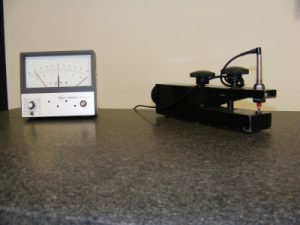
Хэрэв та дугуй бөмбөлөгний давтагдах чадварыг турших юм бол бөмбөгний радиус өөрчлөгдөөгүй болохыг харуулсан болно. (Зөв засварласан хавтангийн хамгийн тохиромжтой профайл нь гүдгэр титэм хэлбэртэй байдаг.) Гэсэн хэдий ч бөмбөг хавтгай биш гэдэг нь тодорхой байна. За, бараг л. Маш богино зайд энэ нь хавтгай байдаг. Шалгалтын ажлын ихэнх хэсэг нь эд ангитай маш ойрхон өндрийг хэмжихтэй холбоотой тул давтагдах чадвар нь боржин чулуун хавтангийн хамгийн чухал шинж чанар болдог. Хэрэглэгч урт хэсгийн шулуун байдлыг шалгаж байгаа л бол нийт тэгш байдал нь илүү чухал юм.
Гүйцэтгэгч тань давтан унших туршилт хийж байгаа эсэхийг шалгаарай. Хавтан нь хүлцэх чадвараас хамаагүй давтан унших боломжтой ч тэгш байдлын туршилтыг давж чадна! Гайхалтай нь лаборатори нь давтан унших туршилтыг оруулаагүй туршилтаар магадлан итгэмжлэл авч чаддаг. Засварлаж чадахгүй эсвэл засварлахдаа тийм ч сайн биш лаборатори нь зөвхөн тэгш байдлын туршилт хийхийг илүүд үздэг. Хавтанг хөдөлгөхгүй бол тэгш байдал ховор өөрчлөгддөг.
Давтан унших туршилтыг турших нь хамгийн хялбар боловч давхцах үед хийхэд хамгийн хэцүү байдаг. Гүйцэтгэгч тань гадаргууг "гадаргууг гажуудуулах" эсвэл долгион үлдээхгүйгээр давтагдах чадварыг сэргээж чадах эсэхийг шалгаарай.
Дельта Т шинжилгээ
Энэхүү туршилт нь чулууны дээд ба доод гадаргуу дээрх БОДИТОЙ температурыг хэмжиж, гэрчилгээнд тайлагнахдаа Дельта Т-ийн зөрүүг тооцоолохыг агуулна.
Боржин чулуун дахь дулааны тэлэлтийн дундаж коэффициент нь 3.5 uIn/Inch/градус гэдгийг мэдэх нь чухал юм. Орчны температур болон чийгшлийн боржин чулуун хавтан дээр үзүүлэх нөлөө нь маш бага юм. Гэсэн хэдий ч гадаргуугийн хавтан нь хүлцэх хэмжээнээс гарч эсвэл заримдаа 0.3 – 0.5 градус Фаренгейт Дельта Т-д ч сайжирч болно. Дельта Т нь сүүлийн тохируулгын зөрүүнээс 0.12 градус Фаренгейт дотор байгаа эсэхийг мэдэх шаардлагатай.
Мөн хавтангийн ажлын гадаргуу нь дулаан руу шилждэг гэдгийг мэдэх нь чухал юм. Хэрэв дээд температур нь доод хэсгээсээ дулаан байвал дээд гадаргуу нь дээшээ өргөгддөг. Хэрэв доод хэсэг нь дулаан байвал энэ нь ховор тохиолддог. Чанарын менежер эсвэл техникчийн хувьд хавтан нь тохируулга эсвэл засвар хийх үед хавтгай бөгөөд давтагдах боломжтой гэдгийг мэдэх нь хангалтгүй, харин эцсийн тохируулгын туршилтын үед Delta T ямар байсан бэ гэдгийг мэдэх нь хангалтгүй юм. Чухал нөхцөл байдалд хэрэглэгч Delta T-г өөрөө хэмжиж, зөвхөн Delta T-ийн хэлбэлзлээс болж хавтан нь хүлцэх чадвараас гарсан эсэхийг тодорхойлж чадна. Аз болоход, боржин чулуу нь хүрээлэн буй орчинд дасан зохицоход олон цаг эсвэл бүр хэдэн өдөр шаардагддаг. Өдрийн турш орчны температурын бага зэргийн хэлбэлзэл үүнд нөлөөлөхгүй. Эдгээр шалтгааны улмаас бид орчны тохируулгын температур эсвэл чийгшлийн талаар мэдээлдэггүй, учир нь нөлөөлөл нь бага байдаг.
Боржин чулуун хавтангийн элэгдэл
Боржин чулуу нь ган хавтангаас илүү хатуу боловч боржин чулуу нь гадаргуу дээр намхан толбо үүсгэдэг. Гадаргуугийн хавтан дээрх эд анги, хэмжигчийг давтан хөдөлгөөн нь элэгдлийн хамгийн том эх үүсвэр болдог, ялангуяа нэг хэсгийг байнга ашиглаж байгаа бол. Хавтангийн гадаргуу дээр шороо, нунтаглах тоос үлдэх нь эд анги, хэмжигч болон боржин чулуун гадаргуугийн хооронд орох үед элэгдлийн процессыг хурдасгадаг. Эд анги, хэмжигчийг гадаргуу дээгүүр нь зөөх үед зүлгүүрийн тоос нь ихэвчлэн нэмэлт элэгдлийн шалтгаан болдог. Элэгдлийг багасгахын тулд байнга цэвэрлэхийг би зөвлөж байна. Өдөр бүр UPS багц хүргэлтийг хавтангийн дээр байрлуулснаас болж хавтангийн элэгдэл үүсдэгийг бид харсан! Эдгээр орон нутгийн элэгдэлд орсон хэсгүүд нь тохируулгын давтагдах чадварын туршилтын заалтад нөлөөлдөг. Тогтмол цэвэрлэгээ хийснээр элэгдэлд орохоос зайлсхий.
Боржин чулуун хавтангийн цэвэрлэгээ
Хавтанг цэвэр байлгахын тулд тоос шороог арилгахын тулд наалдамхай даавуу ашиглаарай. Цавууны үлдэгдэл үлдээхгүйн тулд маш зөөлөн дарна уу. Сайн хэрэглэсэн наалдамхай даавуу нь цэвэрлэгээний хооронд нунтаглах тоосыг маш сайн сордог. Нэг газарт ажиллаж болохгүй. Төхөөрөмжөө тавагны эргэн тойронд хөдөлгөж, элэгдлийг жигд тараана. Хавтанг цэвэрлэхийн тулд спирт хэрэглэх нь зүгээр боловч ингэх нь гадаргууг түр хугацаанд хэт хөргөнө гэдгийг анхаарна уу. Бага хэмжээний савантай ус маш сайн. Starrett-ийн цэвэрлэгч гэх мэт худалдаанд байдаг цэвэрлэгч бодисууд бас хэрэглэхэд маш сайн боловч гадаргуугаас бүх савангийн үлдэгдлийг зайлуулахаа мартуузай.
Боржин чулуун хавтангийн засвар
Гадаргуугийн хавтангийн гүйцэтгэгч тань чадварлаг тохируулга хийх нь чухал гэдгийг одооноос тодорхой болсон байх ёстой. "Бүгдийг нэг дуудлагаар хий" хөтөлбөрийг санал болгодог "Клирингийн байшин" төрлийн лабораториуд засвар хийж чадах техникчтэй ховор байдаг. Хэдийгээр тэд засвар үйлчилгээ санал болгодог ч гадаргуугийн хавтан нь тэсвэрлэх чадвараас хэтэрсэн үед шаардлагатай туршлагатай техникчтэй байдаггүй.
Хэрэв хавтанг хэт элэгдэлд орсноос болж засах боломжгүй гэж хэлбэл бидэнтэй холбогдоно уу. Бид засвар хийж чадна.
Манай техникчид Гадаргуугийн хавтангийн мастер техникчийн удирдлага дор нэгээс нэг жил хагасын хугацаанд дадлага хийдэг. Бид Гадаргуугийн хавтангийн мастер техникчийг дадлагажсан, Гадаргуугийн хавтангийн тохируулга, засварын чиглэлээр арав гаруй жил нэмэлт туршлагатай хүнийг хэлнэ. Dimensional Gauge компанид нийтдээ 60 гаруй жилийн туршлагатай гурван мастер техникч ажилладаг. Манай нэг мастер техникч хүнд хэцүү нөхцөл байдал үүссэн үед дэмжлэг, зөвлөгөө авахад үргэлж бэлэн байдаг. Манай бүх техникчид жижигээс маш том хүртэлх бүх хэмжээтэй, янз бүрийн орчны нөхцөл байдал, өөр өөр салбар, элэгдлийн томоохон асуудлуудад зориулсан туршлагатай.
Fed Specs нь дундаж арифметик барзгаржилт (AA)-ийн 16-64 гэсэн тодорхой өнгөлгөөний шаардлага тавьдаг. Бид 30-35 AA хоорондын өнгөлгөөг илүүд үздэг. Эд анги, хэмжигчийг жигд хөдөлгөж, гадаргуугийн хавтан дээр наалдахгүй, шахагдахгүй байхын тулд хангалттай барзгаржилттай байх ёстой.
Бид засвар хийхдээ хавтангийн зөв суурилуулалт болон тэгш байдлыг шалгадаг. Бид хуурай давхцах аргыг ашигладаг боловч хэт элэгдэлд орсон тохиолдолд боржин чулууг их хэмжээгээр зайлуулах шаардлагатай бол нойтон давхцал хийдэг. Манай техникчид өөрсдийнхөө араас цэвэрлэгээ хийдэг бөгөөд тэд нямбай, хурдан бөгөөд нарийвчлалтай ажилладаг. Энэ нь чухал юм, учир нь боржин чулуун хавтангийн үйлчилгээний өртөгт таны зогсолт болон үйлдвэрлэлийн алдагдлыг багтаасан болно. Чадварлаг засвар хамгийн чухал бөгөөд та хэзээ ч үнэ эсвэл тав тухаар гүйцэтгэгчийг сонгож болохгүй. Зарим тохируулгын ажилд өндөр мэргэшсэн хүмүүс шаардлагатай байдаг. Бидэнд тийм боломж бий.
Эцсийн тохируулгын тайлангууд
Гадаргуугийн хавтангийн засвар, тохируулга бүрийн хувьд бид мэргэжлийн дэлгэрэнгүй тайлан гаргадаг. Манай тайланд чухал болон холбогдох мэдээллийг их хэмжээгээр агуулдаг. Fed Spec. нь бидний өгсөн мэдээллийн ихэнхийг шаарддаг. ISO/IEC-17025 зэрэг бусад чанарын стандартад агуулагдсан мэдээллийг оруулаагүй бол хамгийн бага Fed. Тайлангийн техникийн үзүүлэлтүүд нь:
- Хэмжээ (фут) (X' x X')
- Өнгө
- Загвар (Хавчих ирмэггүй эсвэл хоёр эсвэл дөрвөн ирмэгийг хэлнэ)
- Уян хатан чанарын тооцоолсон модуль
- Дундаж хавтгайн хүлцэл (Зэрэг/Хэмжээгээр тодорхойлогдоно)
- Хүлцэлийг давтан унших (Диагональ уртаар инчээр тодорхойлно)
- Олдсон дундаж хавтгай
- Зүүн талд байгаа дундаж хавтгай
- Олдсон шигээ давтан уншаарай
- Зүүн талд байгаа шигээ уншаарай
- Дельта Т (Дээд ба доод гадаргуугийн хоорондох температурын зөрүү)
Хэрэв техникч гадаргуугийн хавтанг давхцуулах эсвэл засах ажил хийх шаардлагатай бол засвар хүчин төгөлдөр болохыг нотлохын тулд тохируулгын гэрчилгээнд топографийн эсвэл изометрийн график хавсаргана.
ISO/IEC-17025 магадлан итгэмжлэл болон тэдгээрийг эзэмшдэг лабораториудын талаарх товч мэдээлэл
Лаборатори нь гадаргуугийн хавтангийн тохируулгын чиглэлээр магадлан итгэмжлэлтэй байсан ч тэд юу хийж байгаагаа мэддэг гэсэн үг биш, тэр ч байтугай зөв хийх ёстой гэсэн үг биш юм! Энэ нь лаборатори засвар хийж чадна гэсэн үг биш юм. Магадлан итгэмжлэлийн байгууллагууд баталгаажуулалт эсвэл тохируулгын (засвар) хооронд ялгаа гаргадаггүй.Aбас би нэгийг нь мэднэ, магадгүй2магадлан итгэмжлэлийн байгууллагуудLтэнцээAХэрэв би тэдэнд хангалттай мөнгө төлсөн бол нохойгоо туузаар ороочихно! Энэ бол харамсалтай баримт. Лабораториуд шаардлагатай гурван шинжилгээний зөвхөн нэгийг нь хийж магадлан итгэмжлэл авахыг би харсан. Түүнээс гадна, лабораториуд бодит бус тодорхойгүй байдалтай магадлан итгэмжлэл авч, ямар ч нотолгоо, нотлох баримтгүйгээр үнэ цэнийг хэрхэн тооцоолсоноо харуулалгүйгээр магадлан итгэмжлэгдсэн байхыг би харсан. Энэ бүхэн харамсалтай.
Дүгнэлт
Нарийвчлалтай боржин чулуун хавтангийн үүргийг дутуу үнэлж болохгүй. Боржин чулуун хавтангийн өгдөг хавтгай лавлах нь бусад бүх хэмжилтийг хийх үндэс суурь болдог.
Та хамгийн орчин үеийн, хамгийн нарийвчлалтай, хамгийн олон талын хэмжилтийн хэрэгслийг ашиглаж болно. Гэсэн хэдий ч лавлах гадаргуу тэгш биш бол нарийвчлалтай хэмжилт хийхэд хэцүү байдаг. Нэг удаа боломжит үйлчлүүлэгч надад "за энэ бол зүгээр л чулуу!" гэж хэлсэн. Миний хариулт бол "За, чиний зөв, та гадаргуугийн хавтангуудыг засварлахын тулд мэргэжилтнүүдийг оруулахыг зөвтгөх аргагүй юм."
Гадаргуугийн хавтангийн гүйцэтгэгчдийг сонгоход үнэ хэзээ ч сайн шалтгаан биш юм. Худалдан авагчид, нягтлан бодогчид болон олон тооны чанарын инженерүүд боржин чулуун хавтанг дахин баталгаажуулах нь микрометр, калипер эсвэл DMM-ийг дахин баталгаажуулахтай адил биш гэдгийг үргэлж ойлгодоггүй.
Зарим багаж хэрэгсэл нь хямд үнэ биш, мэргэжлийн ур чадвар шаарддаг. Гэсэн хэдий ч бидний үнэ маш боломжийн. Ялангуяа бид ажлыг зөв гүйцэтгэж байгаа гэдэгт итгэлтэй байгаа тул. Бид нэмэлт үнэ цэнийн хувьд ISO-17025 болон Холбооны техникийн шаардлагуудаас хамаагүй давсан.
Гадаргуугийн хавтан нь олон хэмжээст хэмжилтийн үндэс суурь болдог бөгөөд хэмжилтийн нарийвчлалыг хангахын тулд гадаргуугийн хавтанг зохих ёсоор арчлах шаардлагатай.
Боржин чулуу нь гадаргуугийн хатуулаг, температурын хэлбэлзэлд бага мэдрэмтгий байдал зэрэг төгс физик шинж чанаруудаасаа шалтгаалан гадаргуугийн хавтангуудад хамгийн түгээмэл хэрэглэгддэг материал юм. Гэсэн хэдий ч тасралтгүй ашиглахад гадаргуугийн хавтангууд элэгдэлд ордог.
Хавтгай байдал болон давтагдах байдал нь хавтан нь нарийвчлалтай хэмжилт хийхэд нарийн гадаргуу өгөх эсэхийг тодорхойлоход чухал хүчин зүйл болдог. Хоёр талын хүлцэлийг Холбооны GGG-P-463C, DIN, GB, JJS... техникийн тодорхойлолтын дагуу тодорхойлсон болно. Хавтгай байдал гэдэг нь хавтан дээрх хамгийн өндөр цэг (дээврийн хавтгай) ба хамгийн доод цэг (суурийн хавтгай) хоорондох зайг хэмжих явдал юм. Давтагдах байдал нь нэг хэсгээс авсан хэмжилтийг заасан хүлцлийн хүрээнд хавтан даяар давтаж болох эсэхийг тодорхойлдог. Энэ нь хавтан дээр оргил эсвэл хөндий байхгүй байхыг баталгаажуулдаг. Хэрэв заалтууд нь заасан удирдамжид хүрээгүй бол хэмжилтийг техникийн тодорхойлолтод буцаахын тулд гадаргууг дахин хучих шаардлагатай байж болно.
Цаг хугацааны явцад тэгш байдал болон давтагдах чадварыг хангахын тулд гадаргуугийн хавтангийн тогтмол тохируулга хийх шаардлагатай. Cross компанийн нарийвчлалын хэмжилтийн бүлэг нь гадаргуугийн хавтангийн тэгш байдал болон давтагдах чадварыг тохируулах ISO 17025 гэрчилгээтэй. Бид дараах онцлог шинж чанартай Mahr гадаргуугийн хавтангийн баталгаажуулалтын системийг ашигладаг:
- Moody болон Profile шинжилгээ,
- Изометрийн эсвэл тоон графикууд,
- Олон гүйлтийн дундаж ба
- Салбарын стандартын дагуу автомат зэрэглэл тогтоох.
Mahr компьютерийн тусламжтайгаар загвар нь абсолют түвшингээс өнцгийн эсвэл шугаман хазайлтыг тодорхойлдог бөгөөд гадаргуугийн хавтангийн өндөр нарийвчлалтай профайлд тохиромжтой.
Тохируулгын хоорондох завсарлага нь ашиглалтын давтамж, хавтан байрладаг орчны нөхцөл байдал, танай компанийн чанарын тодорхой шаардлагаас хамааран өөр өөр байх болно. Гадаргуугийн хавтанг зөв арчлах нь тохируулгын хоорондох урт хугацааны завсарлага авах боломжийг олгож, дахин наалдуулах нэмэлт зардлаас зайлсхийхэд тусалдаг бөгөөд хамгийн чухал нь хавтан дээр авсан хэмжилтийг аль болох нарийвчлалтай байлгахад тусалдаг. Гадаргуугийн хавтангууд нь бат бөх харагддаг ч тэдгээр нь нарийвчлалтай багаж хэрэгсэл бөгөөд тийм байдлаар хандах хэрэгтэй. Гадаргуугийн хавтанг арчлахтай холбоотой зарим зүйлийг энд оруулав.
- Тавгийг цэвэр байлгаж, боломжтой бол ашиглаагүй үед нь таглана
- Хавтан дээр хэмжүүр эсвэл хэмжих хэсгүүдээс өөр юу ч тавьж болохгүй.
- Тавган дээрх нэг цэгийг үргэлж ашиглаж болохгүй.
- Боломжтой бол хавтанг үе үе эргүүлээрэй.
- Хавтангийнхаа ачааллын хязгаарыг хүндэтгээрэй
Нарийвчлалтай боржин чулуун суурь нь машины багажны гүйцэтгэлийг сайжруулж чадна
Механик инженерчлэл, ялангуяа машин багажны барилгын салбарт шаардлага байнга нэмэгдэж байна. Өрсөлдөх чадвартай байхын тулд зардлыг нэмэгдүүлэхгүйгээр хамгийн их нарийвчлал, гүйцэтгэлийн утгыг хангах нь байнгын бэрхшээл болдог. Машин багажны суурь нь энд шийдвэрлэх хүчин зүйл болдог. Тиймээс улам олон машин багаж үйлдвэрлэгчид боржин чулуунд найдаж байна. Физик параметрүүдийнхээ ачаар энэ нь ган эсвэл полимер бетоноор олж авах боломжгүй тодорхой давуу талуудыг санал болгодог.
Боржин чулуу нь галт уулын гүн чулуулаг гэгддэг бөгөөд маш нягт, нэгэн төрлийн бүтэцтэй бөгөөд тэлэлтийн маш бага коэффициенттэй, дулаан дамжуулалт багатай, чичиргээг намсгах өндөр чадвартай.
Боржин чулуу нь зөвхөн өндөр зэрэглэлийн координат хэмжих машинуудын суурь болгон ашиглахад тохиромжтой гэсэн нийтлэг үзэл бодол яагаад хуучирсан, мөн энэхүү байгалийн материал нь машины суурь болгон ашиглах нь өндөр нарийвчлалтай машинуудын хувьд ч гэсэн ган эсвэл цутгамал төмрийн маш давуу талтай хувилбар болохыг доороос олж мэдэх болно.
Бид динамик хөдөлгөөнд зориулсан боржин чулуун эд анги, шугаман моторын боржин чулуун эд анги, NDT-ийн боржин чулуун эд анги, рентген туяанд зориулсан боржин чулуун эд анги, cmm-д зориулсан боржин чулуун эд анги, cnc-д зориулсан боржин чулуун эд анги, лазерт зориулсан нарийн боржин чулуун эд анги, сансар судлалын боржин чулуун эд анги, нарийн шат дамжлагад зориулсан боржин чулуун эд анги үйлдвэрлэж чадна...
Нэмэлт зардалгүйгээр өндөр нэмүү өртөг
Механик инженерчлэлд боржин чулууны хэрэглээ нэмэгдэж байгаа нь гангийн үнийн огцом өсөлттэй холбоотой биш юм. Харин боржин чулуугаар хийсэн машины тавцангаар машины багажны нэмэлт үнэ цэнийг маш бага эсвэл нэмэлт зардалгүйгээр бий болгох боломжтойтой холбоотой юм. Үүнийг Герман болон Европын алдартай машины багаж үйлдвэрлэгчдийн өртгийн харьцуулалт нотолж байна.
Боржин чулуугаар термодинамик тогтвортой байдал, чичиргээг намсгах болон урт хугацааны нарийвчлалыг мэдэгдэхүйц нэмэгдүүлэх боломжтой болсон энэхүү сайжруулалтыг цутгамал төмөр эсвэл гангаар хийх боломжгүй, эсвэл зөвхөн харьцангуй өндөр өртгөөр л хийж болно. Жишээлбэл, дулааны алдаа нь машины нийт алдааны 75% хүртэл хувийг эзэлж болох бөгөөд програм хангамжаар нөхөн төлбөр хийхийг ихэвчлэн оролддог бөгөөд дунд зэргийн амжилттай байдаг. Дулаан дамжуулалт багатай тул боржин чулуу нь урт хугацааны нарийвчлалын илүү сайн суурь болдог.
1 μм-ийн хүлцэлтэй боржин чулуу нь DIN 876 стандартын дагуу 00 нарийвчлалын зэрэглэлийн тэгш байдлын шаардлагыг амархан хангадаг. 1-ээс 10 хүртэлх хатуулгийн шатлалын 6 утгатай тул энэ нь маш хатуу бөгөөд 2.8г/см³ хувийн жинтэй тул хөнгөн цагааны хэмжээнд бараг хүрдэг. Энэ нь мөн өндөр тэжээлийн хурд, өндөр тэнхлэгийн хурдатгал, зүсэх машины багажны ашиглалтын хугацааг уртасгах зэрэг нэмэлт давуу талуудыг бий болгодог. Тиймээс цутгамал тавцангаас боржин чулуун машины тавцан руу шилжих нь тухайн машиныг нарийвчлал, гүйцэтгэлийн хувьд нэмэлт зардалгүйгээр өндөр зэрэглэлийн ангилалд оруулдаг.
Боржин чулууны сайжруулсан экологийн ул мөр
Ган эсвэл цутгамал төмөр зэрэг материалаас ялгаатай нь байгалийн чулууг их хэмжээний эрчим хүчээр болон нэмэлт бодис ашиглан үйлдвэрлэх шаардлагагүй. Карьер болон гадаргуугийн боловсруулалтад харьцангуй бага хэмжээний эрчим хүч шаардагдана. Энэ нь экологийн хувьд маш сайн ул мөр үлдээдэг бөгөөд машины ашиглалтын хугацаа дууссан ч гэсэн гангийн материалаас давж гардаг. Боржин чулуун ор нь шинэ машины суурь болж эсвэл зам барилгын ажилд зориулж бутлах гэх мэт огт өөр зорилгоор ашиглагдаж болно.
Мөн боржин чулууны нөөцийн хомсдол байхгүй. Энэ нь дэлхийн царцдас дахь магмаас үүссэн гүн чулуулаг юм. Энэ нь сая сая жилийн турш "боловсорч гүйцсэн" бөгөөд бараг бүх тивд, түүний дотор Европт байгалийн баялаг болгон маш их хэмжээгээр байдаг.
Дүгнэлт: Ган эсвэл цутгамал төмрөөс боржин чулууны олон тооны давуу талууд нь механик инженерүүд энэхүү байгалийн материалыг өндөр нарийвчлалтай, өндөр хүчин чадалтай машин механизмын үндэс болгон ашиглах хүсэл эрмэлзэл нэмэгдэж байгааг зөвтгөж байна. Машин механизм болон механик инженерчлэлд давуу талтай боржин чулуун шинж чанаруудын талаарх дэлгэрэнгүй мэдээллийг энэхүү дараагийн нийтлэлээс олж болно.
Давтан хэмжилт гэдэг нь орон нутгийн тэгш байдлын талбайн хэмжилт юм. Давтан хэмжилтийн тодорхойлолтод хавтангийн гадаргуу дээр аль ч хэсэгт хийсэн хэмжилт нь заасан хүлцлийн хүрээнд давтагдана гэж заасан байдаг. Орон нутгийн тэгш байдлыг нийт тэгш байдлаас илүү нягт хянах нь гадаргуугийн тэгш байдлын профайлын аажмаар өөрчлөлтийг баталгаажуулж, улмаар орон нутгийн алдааг багасгадаг.
Импортын брэндүүдийг оролцуулан ихэнх үйлдвэрлэгчид нийт хавтгай байдлын хүлцлийн Холбооны техникийн шаардлагыг баримталдаг боловч олонх нь давтан хэмжилтийг үл тоомсорлодог. Өнөөдөр зах зээл дээр байгаа хямд үнэтэй эсвэл төсөвтэй хавтангуудын олонх нь давтан хэмжилтийг баталгаажуулахгүй. Давтан хэмжилтийг баталгаажуулдаггүй үйлдвэрлэгч нь ASME B89.3.7-2013 эсвэл Холбооны техникийн тодорхойлолт GGG-P-463c, эсвэл DIN 876, GB, JJS...-ийн шаардлагыг хангасан хавтанг үйлдвэрлэдэггүй.
Нарийвчлалтай хэмжилт хийхэд гадаргуугийн нарийвчлалыг хангахын тулд хоёулаа чухал үүрэгтэй. Зөвхөн тэгш байдлын үзүүлэлт нь хэмжилтийн нарийвчлалыг баталгаажуулахад хангалтгүй. Жишээлбэл, 36 X 48 шалгалтын А зэрэглэлийн гадаргуугийн хавтанг авч үзье, энэ нь ЗӨВХӨН .000300 инчийн тэгш байдлын үзүүлэлтийг хангадаг. Хэрэв шалгаж буй хэсэг нь хэд хэдэн оргилыг гүүрлэж, ашиглаж буй хэмжүүр нь нам дор газарт байвал хэмжилтийн алдаа нь нэг хэсэгт бүрэн хүлцэх хэмжээ болох 000300 инч байж болно! Үнэндээ хэмжүүр нь налуугийн налуу дээр байрлаж байвал энэ нь хамаагүй өндөр байж болно.
Налуугийн хүндийн зэрэг болон ашиглаж буй хэмжүүрийн уртаас хамааран .000600"-.000800" алдаа гарах боломжтой. Хэрэв энэ хавтан нь .000050"FIR давтан хэмжилтийн үзүүлэлттэй байсан бол хэмжилтийг хавтан дээр хаана хийснээс үл хамааран хэмжилтийн алдаа .000050"-ээс бага байх болно. Сургалтанд хамрагдаагүй техникч хавтанг газар дээр нь дахин гадаргуу дээр гаргахыг оролдох үед ихэвчлэн үүсдэг өөр нэг асуудал бол хавтанг баталгаажуулахын тулд зөвхөн давтан хэмжилтийг ашиглах явдал юм.
Давтагдах байдлыг шалгахад ашигладаг багажууд нь нийт тэгш байдлыг шалгах зориулалттай БИШ. Төгс муруй гадаргуу дээр тэг болгож тохируулсан үед тухайн гадаргуу нь төгс тэгш эсвэл төгс хотгор эсвэл гүдгэр 1/2 инч байсан ч тэгийг үргэлжлүүлэн уншина! Тэд зүгээр л гадаргуугийн жигд байдлыг баталгаажуулдаг болохоос тэгш байдлыг биш. Зөвхөн хавтгай байдлын тодорхойлолт БА давталтын хэмжилтийн тодорхойлолтыг хоёуланг нь хангасан хавтан нь ASME B89.3.7-2013 эсвэл Холбооны техникийн тодорхойлолт GGG-P-463c-ийн шаардлагыг үнэхээр хангадаг.
Ask us about or flatness specification and repeat measurement promise by calling +86 19969991659 or emailing INFO@ZHHIMG.COM
Тийм ээ, гэхдээ тэдгээр нь зөвхөн тодорхой босоо температурын градиентийн хувьд л баталгаатай байж болно. Хэрэв градиент өөрчлөгдвөл хавтан дээрх дулааны тэлэлтийн нөлөө нь хүлцэлээс илүү нарийвчлалын өөрчлөлтийг амархан үүсгэж болзошгүй юм. Зарим тохиолдолд, хэрэв хүлцэл хангалттай нягт байвал дээд гэрэлтүүлгээс шингээсэн дулаан нь хэдэн цагийн турш градиентийн хангалттай өөрчлөлтийг үүсгэж болно.
Боржин чулуу нь 1°F тутамд ойролцоогоор 0.0000035 инч дулааны тэлэлтийн коэффициенттэй. Жишээ нь: 36" x 48" x 8" хэмжээтэй гадаргуугийн хавтан нь 0°F налуутай үед 0.000075" (AA зэрэглэлийн 1/2) нарийвчлалтай бөгөөд дээд ба доод хэсэг нь ижил температуртай байна. Хэрэв хавтангийн дээд хэсэг нь доод хэсгээс 1°F дулаан хүртэл халвал нарийвчлал нь 0.000275" гүдгэр болж өөрчлөгдөнө! Тиймээс Лабораторийн AA зэрэглэлээс илүү хүлцэл багатай хавтан захиалах нь зөвхөн хангалттай цаг уурын хяналттай тохиолдолд л авч үзэх хэрэгтэй.
Гадаргуугийн хавтанг хавтангийн үзүүрээс уртын 20%-ийн зайд байрлуулсан 3 цэг дээр тулгуурлах ёстой. Хоёр тулгуур нь урт талаасаа өргөний 20%-ийн зайд байрлах ба үлдсэн тулгуур нь төвд байх ёстой. Зөвхөн 3 цэг нь нарийн гадаргуу дээрээс бусад бүх зүйл дээр бат бөх тогтож чадна.
Үйлдвэрлэлийн явцад хавтанг эдгээр цэгүүдэд тулгуурлах ёстой бөгөөд ашиглалтын явцад зөвхөн эдгээр гурван цэг дээр тулгуурлах ёстой. Хавтанг гурваас дээш цэг дээр тулгуурлахыг оролдох нь хавтан нь гурван цэгийн янз бүрийн хослолоос тулгуур авахад хүргэдэг бөгөөд энэ нь үйлдвэрлэлийн явцад тулгуурлаж байсан 3 цэгтэй адилгүй байх болно. Энэ нь хавтан шинэ тулгуурын зохион байгуулалтад нийцэхийн тулд хазайхад алдаа гаргах болно. Бүх zhhimg ган тулгуурууд нь зохих тулгуур цэгүүдтэй зэрэгцэх зориулалттай тулгуур дам нуруутай байдаг.
Хэрэв хавтанг зөв тулгуурласан бол нарийн тэгшлэх нь зөвхөн таны хэрэглээ шаардсан тохиолдолд л шаардлагатай. Зөв тулгуурласан хавтангийн нарийвчлалыг хадгалахын тулд тэгшлэх шаардлагагүй.
Яагаад Гранитыг сонгох вэМашины суурьмөнХэмжилзүйн бүрэлдэхүүн хэсгүүд?
Хариулт нь бараг бүх хэрэглээнд "тийм". Боржин чулуун давуу талууд нь: зэврэлт, зэврэлтгүй, бараг л гажуудалд тэсвэртэй, тайрахад нөхөн олговортой овгоргүй, элэгдэлд удаан хугацаатай, илүү жигд ажиллагаатай, илүү нарийвчлалтай, бараг соронзон бус, дулааны тэлэлтийн бага коэффициенттэй, засвар үйлчилгээний зардал багатай.
Боржин чулуу нь хэт бат бөх, нягтрал, бат бөх чанар, зэврэлтэнд тэсвэртэй байдгаараа олборлодог магмын чулуулгийн нэг төрөл юм. Гэхдээ боржин чулуу нь маш олон талын хэрэглээтэй бөгөөд зөвхөн дөрвөлжин болон тэгш өнцөгт хэлбэрт зориулагдаагүй! Үнэндээ Starrett Tru-Stone нь бүх төрлийн хэлбэр, өнцөг, муруйгаар тогтмол зохион бүтээгдсэн боржин чулуун эд ангиудтай итгэлтэйгээр ажилладаг бөгөөд маш сайн үр дүнд хүрдэг.
Манай хамгийн сүүлийн үеийн боловсруулалтын тусламжтайгаар зүссэн гадаргуу нь онцгой тэгш байж чаддаг. Эдгээр чанарууд нь боржин чулууг захиалгат хэмжээтэй, захиалгат загвартай машины суурь болон хэмжилзүйн эд ангиудыг бий болгоход хамгийн тохиромжтой материал болгодог. Боржин чулуу нь:
машинд хийж болох
зүсэж, дуусгахад яг хавтгай
зэвэнд тэсвэртэй
бат бөх
удаан эдэлгээтэй
Боржин чулуун эд ангиудыг цэвэрлэхэд хялбар байдаг. Захиалгат загвар гаргахдаа давуу талуудыг нь харгалзан боржин чулууг сонгохоо мартуузай.
СТАНДАРТУУД/ ӨНДӨР ЭЛЭГДЭЛТТЭЙ ХЭРЭГЛЭЭ
ZhongHui компанийн стандарт гадаргуугийн хавтангийн бүтээгдэхүүнд ашигладаг боржин чулуу нь кварцын өндөр агууламжтай тул элэгдэл, эвдрэлд илүү тэсвэртэй болгодог. Манай дээд зэргийн хар болон болор ягаан өнгөнүүд нь ус шингээх түвшин багатай тул хавтангууд дээр суурилуулах үед нарийвчлалтай хэмжигч зэврэх магадлалыг бууруулдаг. ZhongHui компанийн санал болгож буй боржин чулуун өнгө нь гялбааг багасгадаг бөгөөд энэ нь хавтанг ашиглаж буй хүмүүсийн нүдийг бага ачаалалтай болгодог. Бид энэ талыг хамгийн бага байлгахын тулд дулааны тэлэлтийг харгалзан боржин чулууны төрлөө сонгосон.
ЗАХИАЛГЫН АПЛЕКТУУД
Хэрэв таны хэрэглээнд захиалгат хэлбэртэй, эрчилсэн оруулгатай, үүртэй эсвэл бусад боловсруулалттай хавтан шаардлагатай бол та Black Diabase гэх мэт материалыг сонгох хэрэгтэй. Энэхүү байгалийн гаралтай материал нь илүү сайн хатуулаг, маш сайн чичиргээг намсгах, сайжруулсан боловсруулалтын чадварыг санал болгодог.
Тийм ээ, хэрэв тэдгээр нь хэт элэгдээгүй бол. Манай үйлдвэрийн тохиргоо болон тоног төхөөрөмж нь хавтанг зохих ёсоор тохируулах, шаардлагатай бол дахин боловсруулах хамгийн оновчтой нөхцлийг бүрдүүлдэг. Ерөнхийдөө, хэрэв хавтан нь шаардлагатай хүлцэх хэмжээнээс 0.001 инч дотор байвал түүнийг газар дээр нь дахин хучих боломжтой. Хэрэв хавтан нь хүлцэх хэмжээнээс 0.001 инчээс дээш элэгдсэн эсвэл муухай хонхорхойтой эсвэл урагдаж гэмтсэн бол дахин хучихаас өмнө үйлдвэрт нунтаглах шаардлагатай болно.
Газар дээр нь тохируулга хийх болон гадаргууг дахин будах техникчийг сонгохдоо маш болгоомжтой байх хэрэгтэй. Тохируулгын үйлчилгээгээ сонгохдоо болгоомжтой байхыг бид танд зөвлөж байна. Магадлан итгэмжлэл хүсч, техникч ашиглах тоног төхөөрөмж нь Үндэсний хяналтын байгууллагын хяналт шалгалтын хяналттай эсэхийг шалгаарай. Нарийн боржин чулууг хэрхэн зөв тойрохыг сурахад олон жил шаардагдана.
ZhongHui нь манай үйлдвэрт хийгдсэн тохируулгын ажлыг хурдан шуурхай гүйцэтгэдэг. Боломжтой бол хавтангаа тохируулга хийлгэхээр илгээнэ үү. Таны чанар, нэр хүнд нь гадаргуугийн хавтангууд зэрэг хэмжих хэрэгслийн нарийвчлалаас хамаарна!
Манай хар гадаргуугийн хавтангууд нь нягтрал нь мэдэгдэхүйц өндөр бөгөөд гурван дахин хатуу байдаг. Тиймээс хар өнгөөр хийсэн хавтан нь хазайлтад тэсвэртэй байхын тулд ижил хэмжээтэй боржин чулуун хавтан шиг зузаан байх шаардлагагүй. Зузаан нь багассанаар жин багасч, тээвэрлэлтийн зардал буурна.
Ижил зузаантай, чанар муутай хар боржин чулуу ашигладаг хүмүүсээс болгоомжил. Дээр дурдсанчлан, мод эсвэл металл гэх мэт боржин чулуун шинж чанар нь материал, өнгөнөөс хамааран өөр өөр байдаг бөгөөд энэ нь хатуулаг, хатуулаг, элэгдэлд тэсвэртэй байдлын нарийн үзүүлэлт биш юм. Үнэндээ олон төрлийн хар боржин чулуу болон диабаз нь маш зөөлөн бөгөөд гадаргуугийн хавтангийн хэрэглээнд тохиромжгүй байдаг.
Үгүй. Эдгээр зүйлсийг дахин боловсруулахад шаардлагатай тусгай тоног төхөөрөмж, сургалтыг тохируулах, дахин боловсруулахын тулд тэдгээрийг үйлдвэрт буцааж өгөхийг шаарддаг.
Тийм ээ. Керамик болон боржин чулуу нь ижил төстэй шинж чанартай бөгөөд боржин чулууг тохируулах, давхцуулахад ашигладаг аргуудыг керамик эдлэлд ашиглаж болно. Керамикийг боржин чулуунаас давхцуулахад илүү хэцүү тул өртөг өндөр байдаг.
Тийм ээ, оруулгууд нь гадаргуугийн доор хонхойсон тохиолдолд. Хэрэв ган оруулгууд нь гадаргуугийн хавтгайтай нэг түвшинд эсвэл түүнээс дээш байвал хавтанг давхцуулахаас өмнө тэдгээрийг доош харуулан байрлуулах ёстой. Шаардлагатай бол бид энэ үйлчилгээг үзүүлж чадна.
Тийм ээ. Хүссэн утастай (Англи эсвэл метрик) ган оруулгыг хүссэн газруудад хавтан дээр эпокси нааж болно. ZhongHui нь +/- 0.005” дотор хамгийн нягт оруулгын байршлыг хангахын тулд CNC машин ашигладаг бөгөөд бага чухал оруулгын хувьд манай урсгалтай оруулгын байршлын хүлцэл нь ±.060” байна. Бусад сонголтуудад ган Т хэлбэрийн баар болон боржин чулуунд шууд боловсруулсан ховилууд орно.
Өндөр бат бэхтэй эпокси давирхай ашиглан зөв наалдсан оруулга нь их хэмжээний мушгиралт болон зүсэлтийн хүчийг тэсвэрлэх болно. Саяхны туршилтаар 3/8"-16 урттай оруулга ашиглан бие даасан туршилтын лаборатори нь гадаргуугийн хавтангаас эпокси наалдсан оруулгыг татахад шаардагдах хүчийг хэмжжээ. Арван хавтанг туршсан. Эдгээр арван тохиолдлоос есөн тохиолдолд боржин чулуу эхлээд хугарсан. Саарал боржин чулуун дундаж ачаалал 10,020 фунт, хар өнгийн хувьд 12,310 фунт байв. Нэг тохиолдолд оруулгыг хавтангаас чөлөөтэй татаж авсан тохиолдолд эвдэрсэн цэг дээрх ачаалал 12,990 фунт байв! Хэрэв ажлын хэсэг нь оруулгын дээгүүр гүүр үүсгэж, хэт их эргүүлэх хүч хэрэглэвэл боржин чулууг хугалах хангалттай хүч үүсгэх боломжтой. Энэ шалтгааны улмаас ZhongHui нь эпокси наалдсан оруулгад хэрэглэж болох хамгийн их аюулгүй эргүүлэх хүчний удирдамжийг өгсөн: https://www.zhhimg.com/standard-thread-inserts-product/
Тийм ээ, гэхдээ зөвхөн манай үйлдвэрт л. Манай үйлдвэрт бид бараг бүх хавтанг "шинэ мэт" байдалд нь оруулж, ихэвчлэн солих өртгийн талаас бага зардлаар сэргээж чадна. Гэмтсэн ирмэгийг гоо сайхны аргаар нөхөж, гүн ховил, хонхорхой, нүхийг нунтаглаж, бэхэлсэн тулгуурыг сольж болно. Үүнээс гадна, бид таны техникийн шаардлагын дагуу хатуу эсвэл эрчилсэн ган оруулга нэмж, үүр эсвэл хавчаарын уруулыг хайчилж, хавтангийн олон талт байдлыг нэмэгдүүлэхийн тулд өөрчилж болно.
Яагаад Гранитыг сонгох хэрэгтэй вэ?
Боржин чулуу нь дэлхий дээр сая сая жилийн өмнө үүссэн магмын чулуулгийн нэг төрөл юм. Магмын чулуулгийн найрлагад маш хатуу, элэгдэлд тэсвэртэй кварц зэрэг олон эрдэс бодис агуулагддаг. Хатуулаг болон элэгдэлд тэсвэртэй байдлаас гадна боржин чулуу нь цутгамал төмрийнхөөс ойролцоогоор хоёр дахин бага тэлэлтийн коэффициенттэй байдаг. Эзлэхүүн жин нь цутгамал төмрийнхөөс гуравны нэг орчим байдаг тул боржин чулууг удирдахад илүү хялбар байдаг.
Машины суурь болон хэмжилзүйн бүрэлдэхүүн хэсгүүдийн хувьд хар боржин чулууг хамгийн их ашигладаг өнгө юм. Хар боржин чулуу нь бусад өнгөнөөс илүү кварцын хувь өндөр тул хамгийн элэгдэлд тэсвэртэй байдаг.
Боржин чулуу нь өртөг хэмнэлттэй бөгөөд зүссэн гадаргуу нь маш тэгш байж болно. Хэт өндөр нарийвчлалд хүрэхийн тулд гараар өнгөлөхөөс гадна хавтан эсвэл ширээг байрнаас нь гадагшлуулахгүйгээр дахин өнгөлөх боломжтой. Энэ нь бүхэлдээ гараар өнгөлөх ажиллагаа бөгөөд ерөнхийдөө цутгамал төмрийг дахин өнгөлөхөөс хамаагүй хямд байдаг.
Эдгээр чанарууд нь боржин чулууг захиалгат хэмжээтэй, захиалгат загвартай машины суурь болон хэмжилзүйн бүрэлдэхүүн хэсгүүдийг бий болгоход хамгийн тохиромжтой материал болгодог.боржин чулуун гадаргуугийн хавтан.
ZhongHui нь тодорхой хэмжилтийн шаардлагыг хангах зорилгоор бүтээгдсэн захиалгат боржин чулуун бүтээгдэхүүн үйлдвэрлэдэг. Эдгээр захиалгат бүтээгдэхүүнүүд нь харилцан адилгүй байдаг.шулуун ирмэгүүд toгурван квадратБоржин чулууны олон талт шинж чанараас шалтгааланбүрэлдэхүүн хэсгүүдшаардлагатай хэмжээгээр үйлдвэрлэх боломжтой; тэдгээр нь бат бөх, удаан эдэлгээтэй.
Боржин чулуун гадаргуугийн хавтангийн давуу талууд
Тэгш гадаргуу дээр хэмжихийн ач холбогдлыг 1800-аад онд Британийн зохион бүтээгч Хенри Маудсли тогтоосон. Машины багаж хэрэгслийн шинийг санаачлагчийн хувьд тэрээр эд ангиудыг тогтмол үйлдвэрлэхэд найдвартай хэмжилт хийхэд бат бөх гадаргуу шаардлагатай гэж үзсэн.
Аж үйлдвэрийн хувьсгал нь гадаргууг хэмжих эрэлтийг бий болгосон тул Crown Windley инженерийн компани үйлдвэрлэлийн стандартыг бий болгосон. Гадаргуугийн хавтангийн стандартыг анх 1904 онд Crown компани металл ашиглан тогтоосон. Металлын эрэлт, өртөг нэмэгдэхийн хэрээр хэмжих гадаргуугийн өөр материалыг судалж эхэлсэн.
Америкт хөшөө бүтээгч Уоллес Херман хар боржин чулуу нь металлын оронд хэрэглэх маш сайн гадаргуугийн хавтан материал болохыг тогтоожээ. Боржин чулуу нь соронзон бус бөгөөд зэврдэггүй тул удалгүй хэмжих хамгийн тохиромжтой гадаргуу болжээ.
Боржин чулуун гадаргуугийн хавтан нь лаборатори болон туршилтын байгууламжуудад зайлшгүй шаардлагатай хөрөнгө оруулалт юм. 600 x 600 мм хэмжээтэй боржин чулуун гадаргуугийн хавтанг тулгуурын тавиур дээр суурилуулж болно. Тавиурууд нь тэгшлэх таван тохируулгатай цэгтэй бөгөөд 34 инч (0.86 м) ажлын өндөртэй.
Найдвартай, тогтвортой хэмжилтийн үр дүнд хүрэхийн тулд боржин чулуун гадаргуугийн хавтан чухал ач холбогдолтой. Гадаргуу нь гөлгөр, тогтвортой хавтгай тул багаж хэрэгслийг болгоомжтой зохицуулах боломжийг олгодог.
Боржин чулуун гадаргуугийн хавтангийн гол давуу талууд нь:
• Тусгалгүй
• Химийн бодис болон зэврэлтэнд тэсвэртэй
• Тэргэнцэртэй харьцуулахад тэлэлтийн коэффициент бага тул температурын өөрчлөлтөд бага өртдөг
• Байгалийн хувьд хатуу бөгөөд элэгдэлд тэсвэртэй
• Зураастай бол гадаргуугийн хавтгайд нөлөөлөхгүй
• Зэврэхгүй
• Соронзон бус
• Цэвэрлэж, арчлахад хялбар
• Тохируулга болон гадаргууг дахин бүрэх ажлыг газар дээр нь хийж болно
• Эргэлттэй тулгуур оруулгад өрөмдөхөд тохиромжтой
• Өндөр чичиргээ намсгагч
Олон цех, үзлэгийн өрөө, лабораторийн хувьд нарийн боржин чулуун гадаргуугийн хавтангуудыг нарийвчлалтай хэмжих үндэс суурь болгон ашигладаг. Шугаман хэмжилт бүр нь эцсийн хэмжээсийг авсан нарийвчлалтай лавлах гадаргуугаас хамаардаг тул гадаргуугийн хавтангууд нь машин механизмын өмнө ажлын үзлэг, зохион байгуулалтад хамгийн сайн лавлах хавтгайг өгдөг. Эдгээр нь өндрийн хэмжилт хийх, гадаргууг хэмжихэд тохиромжтой суурь болдог. Цаашилбал, өндөр тэгш байдал, тогтвортой байдал, ерөнхий чанар, хийц нь нарийн механик, электрон болон оптик хэмжих системийг суурилуулахад сайн сонголт болдог. Эдгээр хэмжилтийн процессуудын аль нэгэнд гадаргуугийн хавтангуудыг тохируулсан байлгах нь зайлшгүй чухал юм.
Хэмжилт ба тэгш байдлыг давтах
Нарийвчлалтай гадаргууг хангахын тулд тэгш байдал болон давтан хэмжилтүүд хоёулаа чухал үүрэгтэй. Хавтгай байдлыг гадаргуу дээрх бүх цэгүүд нь суурь хавтгай ба дээврийн хавтгай гэсэн хоёр зэрэгцээ хавтгайд байрладаг гэж үзэж болно. Хавтгайнуудын хоорондох зайг хэмжих нь гадаргуугийн нийт тэгш байдал юм. Энэхүү тэгш байдлын хэмжилт нь ерөнхийдөө хүлцэлтэй бөгөөд зэрэглэлийн тэмдэглэгээг агуулж болно.
Гурван стандарт зэрэглэлийн тэгш байдлын хүлцлийг холбооны техникийн тодорхойлолтод дараах томъёогоор тодорхойлсон болно.
Лабораторийн зэрэглэлийн AA = (40 + диагональ² / 25) x 0.000001 инч (нэг талт)
Хяналтын зэрэг А = Лабораторийн зэрэг АА x 2
Багажны өрөөний B зэрэглэл = Лабораторийн АА зэрэг x 4
Хавтгай байдлаас гадна давтагдах байдлыг хангах ёстой. Давтан хэмжилт гэдэг нь орон нутгийн тэгш байдлын талбайн хэмжилт юм. Энэ нь хавтангийн гадаргуу дээр заасан хүлцлийн хүрээнд давтагдах хэмжилт юм. Орон нутгийн тэгш байдлыг нийт тэгш байдлаас илүү хатуу хүлцэлтэй болгохын тулд хянах нь гадаргуугийн тэгш байдлын профайл аажмаар өөрчлөгдөхийг баталгаажуулж, улмаар орон нутгийн алдааг багасгадаг.
Гадаргуугийн хавтан нь тэгш байдал болон давтан хэмжилтийн үзүүлэлтүүдийг хоёуланг нь хангаж байгаа эсэхийг баталгаажуулахын тулд боржин чулуун гадаргуугийн хавтан үйлдвэрлэгчид өөрсдийн үзүүлэлтүүдийн үндэс болгон Холбооны техникийн тодорхойлолт GGG-P-463c-г ашиглах ёстой. Энэхүү стандарт нь давтан хэмжилтийн нарийвчлал, гадаргуугийн хавтангийн боржин чулуун материалын шинж чанар, гадаргуугийн өнгөлгөө, тулгуур цэгийн байршил, хатуулаг, хүлээн зөвшөөрөгдсөн шалгалтын аргууд болон урсгалтай оруулгыг суурилуулах асуудлыг авч үздэг.
Гадаргуугийн хавтан нь нийт тэгш байдлын тодорхойлолтоос хэтэрсэн элэгдэлд орохоос өмнө элэгдсэн эсвэл долгионтой тулгууруудыг харуулна. Давтан унших хэмжүүр ашиглан давтан хэмжилтийн алдааг сар бүр шалгаж үзэхэд элэгдлийн цэгүүд тодорхойлогдоно. Давтан унших хэмжүүр нь орон нутгийн алдааг илрүүлдэг өндөр нарийвчлалтай багаж бөгөөд өндөр томруулдаг электрон өсгөгч дээр харуулж болно.
Хавтангийн нарийвчлалыг шалгах
Хэд хэдэн энгийн удирдамжийг дагаж мөрдвөл боржин чулуун гадаргуугийн хавтан худалдаж авах хөрөнгө оруулалт олон жилийн турш үргэлжлэх болно. Хавтангийн хэрэглээ, цехийн орчин болон шаардлагатай нарийвчлалаас хамааран гадаргуугийн хавтангийн нарийвчлалыг шалгах давтамж харилцан адилгүй байдаг. Ерөнхий дүрэм бол шинэ хавтанг худалдан авснаас хойш нэг жилийн дотор бүрэн дахин тохируулга хийлгэх явдал юм. Хэрэв хавтанг байнга ашигладаг бол энэ хугацааг зургаан сар болгон богиносгохыг зөвлөж байна.
Гадаргуугийн хавтан нь нийт тэгш байдлын тодорхойлолтоос хэтэрсэн элэгдэлд орохоос өмнө элэгдсэн эсвэл долгионтой тулгууруудыг харуулна. Давтан унших хэмжүүр ашиглан давтан хэмжилтийн алдааг сар бүр шалгаж үзэхэд элэгдлийн цэгүүд тодорхойлогдоно. Давтан унших хэмжүүр нь орон нутгийн алдааг илрүүлдэг өндөр нарийвчлалтай багаж бөгөөд өндөр томруулдаг электрон өсгөгч дээр харуулж болно.
Үр дүнтэй үзлэгийн хөтөлбөрт автоколлиматороор тогтмол шалгалт хийх шаардлагатай бөгөөд энэ нь Үндэсний Стандарт, Технологийн Хүрээлэн (NIST)-д мөрдөх боломжтой нийт тэгш байдлын бодит тохируулгыг хангах ёстой. Үйлдвэрлэгч эсвэл бие даасан компанийн цогц тохируулга үе үе шаардлагатай байдаг.
Тохируулгын хоорондох өөрчлөлтүүд
Зарим тохиолдолд гадаргуугийн хавтангийн тохируулгын хооронд ялгаа байдаг. Заримдаа элэгдэл, хяналтын төхөөрөмжийг буруу ашигласан эсвэл тохируулаагүй тоног төхөөрөмж ашигласнаас үүдэлтэй гадаргуугийн өөрчлөлт зэрэг хүчин зүйлүүд эдгээр хэлбэлзлийг тайлбарлаж болно. Гэсэн хэдий ч хамгийн түгээмэл хоёр хүчин зүйл бол температур ба тулгуур юм.
Хамгийн чухал хувьсагчдын нэг бол температур юм. Жишээлбэл, гадаргууг тохируулахаас өмнө халуун эсвэл хүйтэн уусмалаар угааж, хэвийн болгоход хангалттай хугацаа өгөөгүй байж болно. Температурын өөрчлөлтийн бусад шалтгаануудад хүйтэн эсвэл халуун агаарын салхи, нарны шууд тусгал, дээд гэрэлтүүлэг эсвэл хавтангийн гадаргуу дээрх цацрагийн дулааны бусад эх үүсвэрүүд орно.
Өвөл, зуны хооронд босоо температурын градиент хэлбэлзэлтэй байж болно. Зарим тохиолдолд хавтанг тээвэрлэсний дараа хэвийн болгоход хангалттай хугацаа өгдөггүй. Тохируулга хийх үед босоо градиентийн температурыг бүртгэх нь зүйтэй.
Тохируулгын хэлбэлзлийн өөр нэг нийтлэг шалтгаан бол хавтанг буруу тулгуурласан байх явдал юм. Гадаргуугийн хавтанг гурван цэг дээр тулгуурласан байх ёстой бөгөөд хамгийн тохиромжтой нь хавтангийн үзүүрээс уртын 20%-ийн зайд байрлах ёстой. Хоёр тулгуурыг урт талаас нь өргөний 20%-ийн зайд байрлуулж, үлдсэн тулгуурыг төвд байрлуулсан байх ёстой.
Нарийвчлалтай гадаргуугаас бусад бүх зүйл дээр зөвхөн гурван цэг л бат бөх тогтож чадна. Хавтанг гурваас дээш цэг дээр тулгуурлахыг оролдох нь хавтан нь гурван цэгийн янз бүрийн хослолоос тулгуур авахад хүргэдэг бөгөөд энэ нь үйлдвэрлэлийн явцад тулгуурлаж байсан гурван цэгтэй адилгүй байх болно. Энэ нь хавтан шинэ тулгуурын зохион байгуулалтад нийцэхийн тулд хазайхад алдаа гарахад хүргэнэ. Зөв тулгуурын цэгүүдтэй зэрэгцэх зориулалттай тулгуур дам нуруутай ган тулгуур ашиглах талаар бодож үзээрэй. Энэ зорилгоор зориулсан тулгуурыг ерөнхийдөө гадаргуугийн хавтангийн үйлдвэрлэгчээс авах боломжтой.
Хэрэв хавтанг зөв тулгуурласан бол нарийн тэгшлэх нь зөвхөн програм тодорхойлсон тохиолдолд л шаардлагатай. Зөв тулгуурласан хавтангийн нарийвчлалыг хадгалахын тулд тэгшлэх шаардлагагүй.
Хавтанг цэвэр байлгах нь чухал юм. Агаарт цацагддаг зүлгүүрийн тоос нь ихэвчлэн хавтан дээрх элэгдэл, урагдалтын хамгийн том эх үүсвэр болдог, учир нь энэ нь ажлын хэсэг болон хэмжигч хэрэгслийн хүрэлцэх гадаргуу дээр нэвчдэг. Хавтанг тоос шороо, эвдрэлээс хамгаалахын тулд хучна. Ашиглаагүй үед хавтанг хучвал элэгдлийн хугацааг уртасгаж болно.
Хавтангийн ашиглалтын хугацааг уртасгах
Хэд хэдэн удирдамжийг дагаж мөрдөх нь боржин чулуун гадаргуугийн хавтангийн элэгдлийг бууруулж, эцэст нь ашиглалтын хугацааг уртасгана.
Нэгдүгээрт, хавтанг цэвэр байлгах нь чухал юм. Агаарт цацагддаг зүлгүүрийн тоос нь ихэвчлэн хавтангийн элэгдэл, урагдалтын хамгийн том эх үүсвэр болдог, учир нь энэ нь ажлын хэсгүүд болон хэмжигч хэрэгслийн холбоо барих гадаргуу дээр нэвчдэг.
Мөн тоос шороо, эвдрэлээс хамгаалахын тулд хавтангуудыг таглах нь чухал юм. Ашиглаагүй үед хавтанг тагласнаар элэгдлийн хугацааг уртасгаж болно.
Нэг хэсгийг хэт их ашиглахаас сэргийлж хавтанг үе үе эргүүлнэ үү. Түүнчлэн, хэмжигч дээрх ган контакт дэвсгэрийг карбидын дэвсгэрээр солихыг зөвлөж байна.
Тавган дээр хоол хүнс эсвэл хийжүүлсэн ундаа тавихаас зайлсхий. Олон хийжүүлсэн ундаа нь нүүрстөрөгчийн эсвэл фосфорын хүчил агуулдаг бөгөөд энэ нь зөөлөн эрдэс бодисыг уусгаж, гадаргуу дээр жижиг нүх үлдээдэг.
Хаана дахин хийх вэ
Боржин чулуун гадаргуугийн хавтанг дахин гадаргуугаар хучих шаардлагатай үед энэ үйлчилгээг газар дээр нь хийлгэх үү эсвэл тохируулгын байгууламж дээр хийлгэх үү гэдгийг анхаарч үзээрэй. Хавтанг үйлдвэрт эсвэл тусгай зориулалтын байгууламжид дахин хучих нь үргэлж илүү тохиромжтой байдаг. Гэсэн хэдий ч хэрэв хавтан нь хэт их элэгдээгүй, ерөнхийдөө шаардлагатай хүлцэх хэмжээнээс 0.001 инч дотор байвал түүнийг газар дээр нь дахин хучих боломжтой. Хэрэв хавтан нь хүлцэх хэмжээнээс 0.001 инчээс илүү элэгдсэн, эсвэл муу хонхорхойтой эсвэл урагдаж гэмтсэн бол дахин хучихаас өмнө үйлдвэрт нунтаглахаар илгээх хэрэгтэй.
Тохируулгын байгууламж нь хавтанг зохих ёсоор тохируулах, шаардлагатай бол дахин боловсруулах хамгийн оновчтой нөхцлийг бүрдүүлдэг тоног төхөөрөмж, үйлдвэрийн тохиргоотой байдаг.
Газар дээр нь тохируулга хийх болон гадаргууг дахин будах техникчийг сонгохдоо маш болгоомжтой байх хэрэгтэй. Магадлан итгэмжлэл хүсч, техникчийн ашиглах тоног төхөөрөмж NIST-ээр хянагдаж болох тохируулгатай эсэхийг шалгаарай. Туршлага нь бас чухал хүчин зүйл болдог, учир нь нарийн боржин чулууг хэрхэн зөв тойрохыг сурахад олон жил шаардагддаг.
Чухал хэмжилтүүд нь нарийн боржин чулуун гадаргуугийн хавтанг суурь болгон ашиглахаас эхэлдэг. Зөв тохируулсан гадаргуугийн хавтанг ашиглан найдвартай лавлагаа хийснээр үйлдвэрлэгчид найдвартай хэмжилт, илүү чанартай эд ангиудын чухал хэрэгслүүдийн нэгтэй байдаг.
Тохируулгын өөрчлөлтийн шалгах хуудас
- Гадаргууг тохируулгын өмнө халуун эсвэл хүйтэн уусмалаар угааж, хэвийн болгоход хангалттай хугацаа өгөөгүй.
- Хавтанг буруу тулгуурласан байна.
- Температурын өөрчлөлт.
- Ноорог.
- Хавтангийн гадаргуу дээр нарны шууд тусгал эсвэл бусад цацрагийн дулаан тусна. Дээрээс гэрэлтүүлэг нь гадаргууг халаахгүй байгаа эсэхийг шалгаарай.
- Өвөл ба зуны хоорондох босоо температурын градиентийн хэлбэлзэл. Боломжтой бол тохируулга хийх үеийн босоо градиентийн температурыг мэдэж аваарай.
- Ачаа тээвэрлэсний дараа хавтанг хэвийн болгоход хангалттай хугацаа өгөөгүй.
- Хяналтын төхөөрөмжийг зохисгүй ашиглах эсвэл тохируулаагүй тоног төхөөрөмж ашиглах.
- Элэгдэлээс үүдэлтэй гадаргуугийн өөрчлөлт.
Техникийн зөвлөгөө
Шугаман хэмжилт бүр нь эцсийн хэмжээсийг авсан нарийвчлалтай лавлах гадаргуугаас хамаардаг тул гадаргуугийн хавтан нь машин механизмын өмнө ажлын үзлэг, зохион байгуулалтад хамгийн сайн лавлах хавтгайг өгдөг.
Орон нутгийн тэгш байдлыг нийт тэгш байдлаас илүү хатуу хүлцэлтэй байлгах нь гадаргуугийн тэгш байдлын профайлыг аажмаар өөрчлөхийг баталгаажуулж, улмаар орон нутгийн алдааг хамгийн бага хэмжээнд байлгадаг.